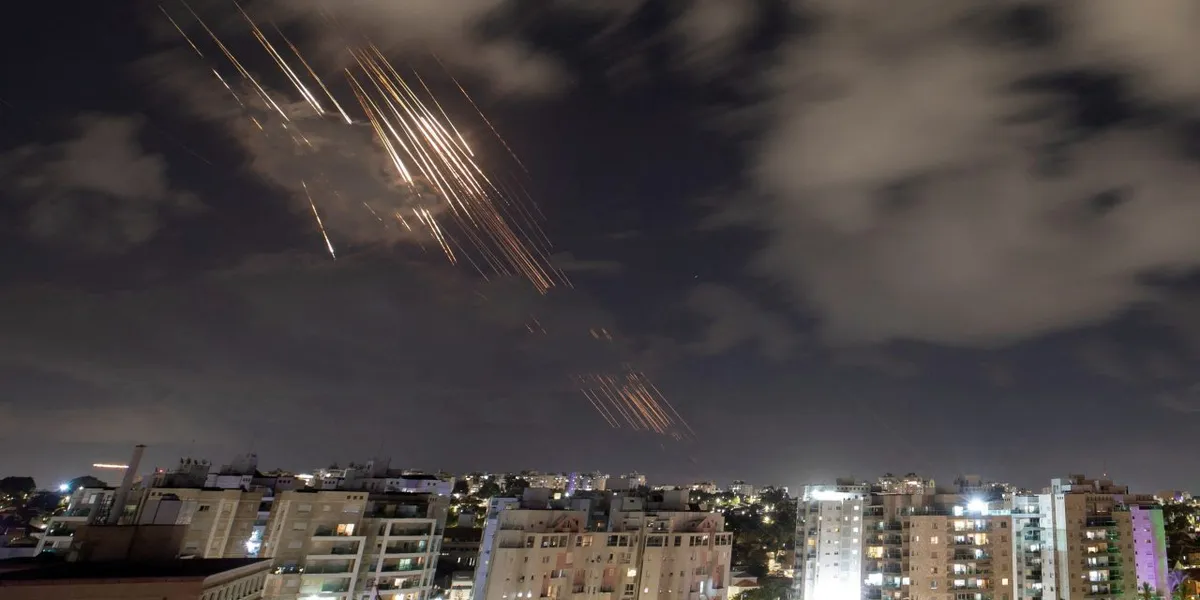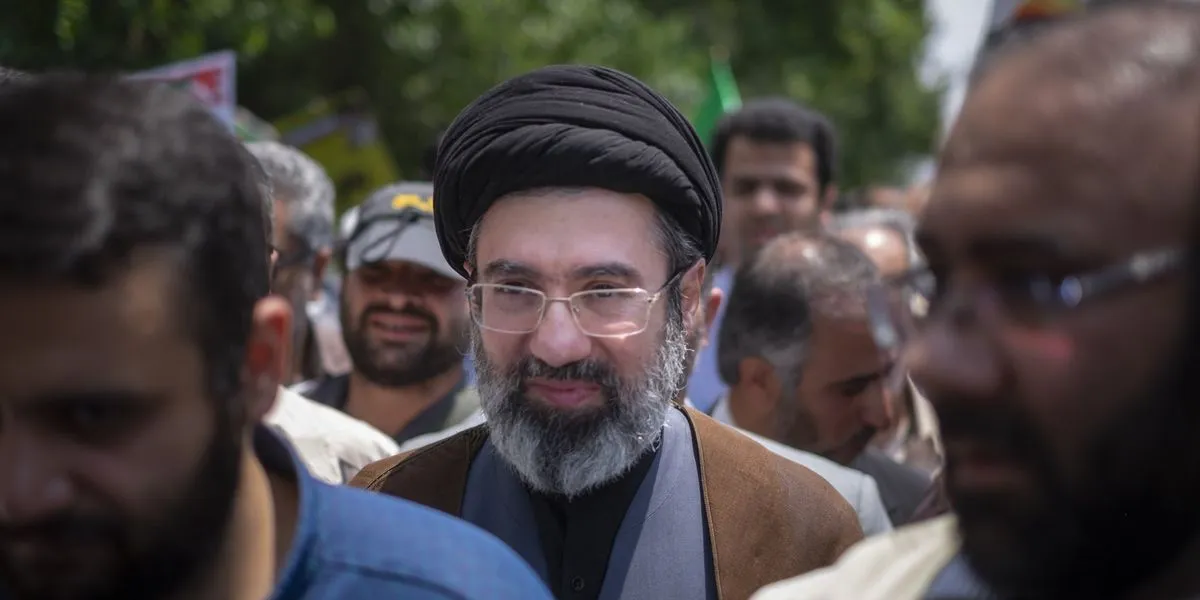
Mojtaba Khamenei has officially assumed the role of Supreme Leader of Iran as of April 11, 2026, following the tragic death of his father, Ali Khamenei, in a devastating airstrike on February 28, 2026. This sudden transition comes amidst a backdrop of escalating tensions and ongoing military conflict in the region.
The airstrike not only claimed the life of the former Supreme Leader but also resulted in the deaths of numerous senior military figures, leaving a significant power vacuum in Iran. Mojtaba Khamenei, who is 56 years old, suffered severe injuries in the attack, including disfigurement to his face and the loss of a leg. Despite these challenges, he has reportedly remained mentally sharp and engaged in government decisions through audio conference calls.
Since taking power on March 8, 2026, Mojtaba Khamenei has not been seen in public, raising concerns about his health and ability to lead. Iran’s state media has referred to him as a ‘janbaz’, indicating he is gravely wounded. Details remain unconfirmed regarding his exact condition, with unverified reports suggesting he may be in a coma.
In the wake of this leadership change, Iran has been navigating complex diplomatic waters, particularly in its ongoing negotiations with the United States, mediated by Pakistan. A temporary ceasefire was established on April 11, 2026, which is set to expire on April 21, 2026, amidst a war that has already claimed the lives of approximately 3,000 Iranians and left around 25,000 wounded.
Mojtaba Khamenei’s leadership is further complicated by the personal losses he has endured; his wife was also killed in the airstrike that injured him. He has issued only two written statements since assuming power, emphasizing Iran’s stance that it does not seek war but will not abandon its rightful demands. “Iran does not seek war but will never abandon its rightful demands,” he stated, reflecting a commitment to maintaining national integrity.
International reactions have been mixed. Some commentators, like Pete Hegseth, have expressed skepticism about Khamenei’s ability to lead effectively given his injuries, labeling him as the “new so-called not-so-supreme leader.” Meanwhile, Khamenei has called for increased participation from citizens, urging them to intensify their presence in public spaces to support the government. “Even if it is presumed that we have entered a phase of military silence, it is the duty of every citizen capable of being present in the streets, neighborhoods, and mosques to intensify their participation,” he remarked.
As Iran grapples with the aftermath of the airstrike and the transition of power, the future remains uncertain. The ongoing conflict and the challenges posed by Khamenei’s injuries will likely shape the political landscape in Iran for the foreseeable future. The world watches closely as the new Supreme Leader navigates these turbulent waters, with the hope that stability can be restored in a region fraught with tension.