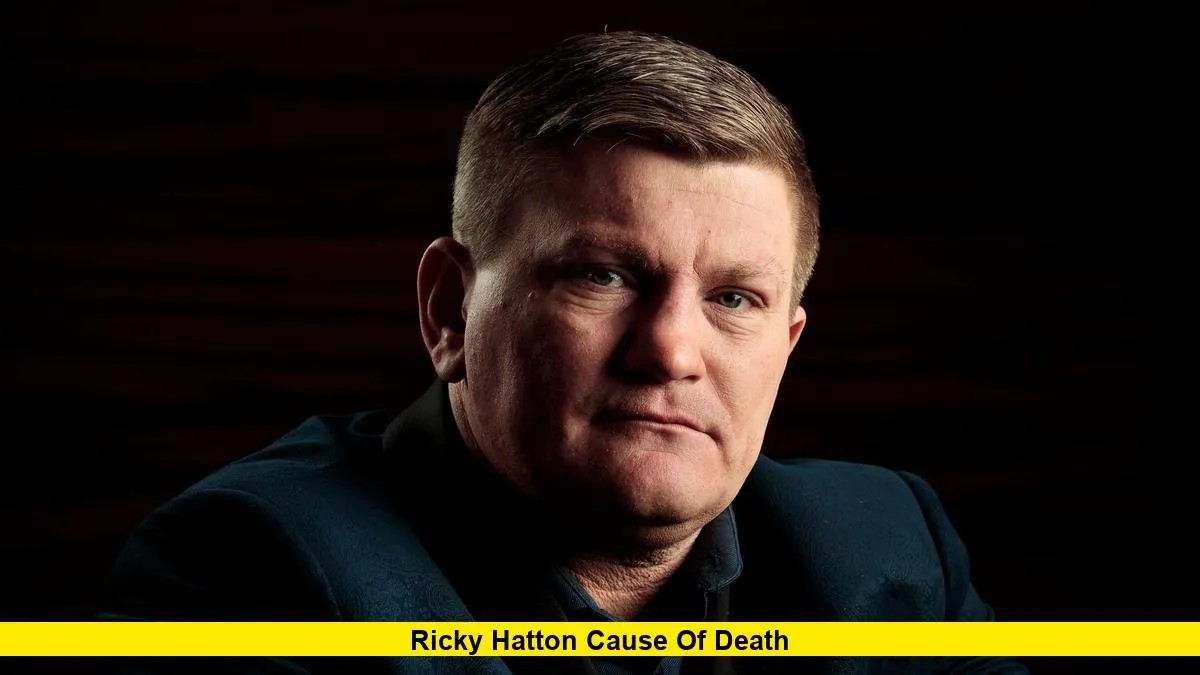
On March 20, 2026, the boxing community was rocked by the tragic news of Ricky Hatton’s death at the age of 46 in Hyde, near Manchester. Hatton, a celebrated figure in British boxing, was found hanged with a bedsheet in his home, a scene that has left many questioning the circumstances surrounding his passing.
In the days leading up to his death, Hatton had been struggling with significant mental health issues and a history of substance use, particularly alcohol and cocaine. Reports indicate that he had been drinking heavily shortly before his death, exceeding the legal drink-drive limit by 2.5 times. His family had expressed concerns about his deteriorating condition, noting severe memory loss and confusion.
The inquest into Hatton’s death, held at South Manchester coroners’ court, revealed that he was suffering from Chronic Traumatic Encephalopathy (CTE), a degenerative brain disease often found in athletes with a history of head trauma. Coroner Alison Mutch stated, “I cannot be satisfied that he intended to take his own life,” highlighting the complexities of his mental state influenced by CTE and alcohol.
Hatton’s manager, Paul Speak, was the one who discovered him. The absence of a suicide note has further complicated the narrative, leaving family and fans grappling with unanswered questions. Campbell Hatton, Ricky’s son, shared insights into his father’s struggles post-boxing, stating, “Post-boxing, my dad had mental health issues and also issues with alcohol and cocaine.” This statement underscores the often-overlooked challenges faced by retired athletes.
During his illustrious career, Ricky Hatton won 45 of his 48 professional bouts, earning a place in the hearts of boxing fans worldwide. His achievements in the ring were matched by his charismatic personality outside it, making him a beloved figure in sports. However, the pressures of fame and the physical toll of boxing took a significant toll on his mental health.
As the inquest concluded, it was clear that Hatton’s death was not just a personal tragedy but a reflection of the broader issues surrounding mental health in sports. Neil Papworth, a witness at the inquest, remarked, “As a boxer, Mr. Hatton would have sustained repeated blows over his career,” emphasizing the potential long-term effects of such a demanding profession.
Hatton had made plans for the future, including an exhibition boxing match in Dubai, which adds a layer of poignancy to his untimely death. His family, including his partner Jennifer Dooley, remembered him fondly, with Dooley stating, “He was very much the fun dad and the girls loved that about him.” The loss of such a vibrant personality has left a void not only in his family but also in the boxing community.
As the investigation into Ricky Hatton’s death continues, the implications of his struggle with CTE and mental health resonate deeply. This tragic event serves as a stark reminder of the importance of addressing mental health issues, particularly among athletes who may face similar challenges. Details remain unconfirmed, but the urgency to understand and support those affected is clearer than ever.