England’s tactical approach against low blocks
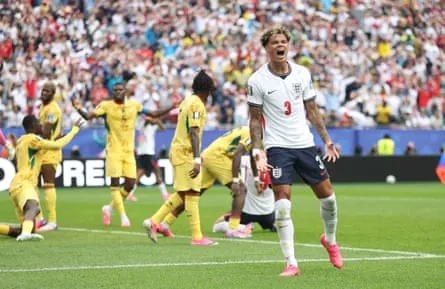
England are preparing to face Panama in their final group stage match, a fixture that will take place in New York/New Jersey. This follows their recent goalless draw against Ghana, a game that highlighted challenges when confronting a compact and well-drilled defensive strategy. The Ghana match saw England struggle to generate urgency and varied movement, issues that will be critical to address against Panama.
The team’s coaching staff will have focused on strategies to break down a ‘low block’ defence, a tactic where opponents position themselves deeply and compactly. Creating urgency without rushing the play is essential in such scenarios. An example cited is Paris Saint-Germain’s equaliser against Arsenal in this year’s men’s Champions League final, where patient, methodological build-up around the penalty area led to a scoring opportunity, rather than simply crossing the ball into a crowded box.
During the Ghana game, England‘s play was noted for being static, with a perceived lack of movement among players. The opposition’s wide players did not press high, making it difficult for England to find space in key areas. The decision to use a right-footed player, Djed Spence, at left-back was also highlighted as potentially hindering effective switches of play, especially when the pivot player, Elliot Anderson, was marked.
The team’s predictability in attack was also a point of concern, with a need for more runs into half-spaces and opposite movements to stretch the defence. Bringing on players like Nico O’Reilly, who can deliver different types of crosses from deeper positions, and Marcus Rashford, known for his bravery in one-on-one situations, could have provided the necessary ‘magic moments’ against Ghana.

Maintaining composure and looking ahead
Despite the draw, England remains in a strong position within their group. Coaches often focus on the points accumulated, and the team currently has four points. Drawing a game is not uncommon in major tournaments, with examples such as Spain and Portugal also drawing their opening matches.
The experience gained from the Ghana match is seen as valuable, providing insights into how the team performs against both aggressive, toe-to-toe opponents like Croatia and defensively organised teams. Learning these lessons now, rather than in the knockout stages, is considered beneficial. The upcoming match against Panama offers an immediate opportunity for England to refine their approach.
The composure shown by England‘s players at the end of the Ghana game, particularly among the senior members of the squad, was noted. Their experience in major tournaments is crucial for maintaining a calm environment within the camp, helping to manage the emotional rollercoaster that can accompany international competitions.
Fans’ preparations for the match
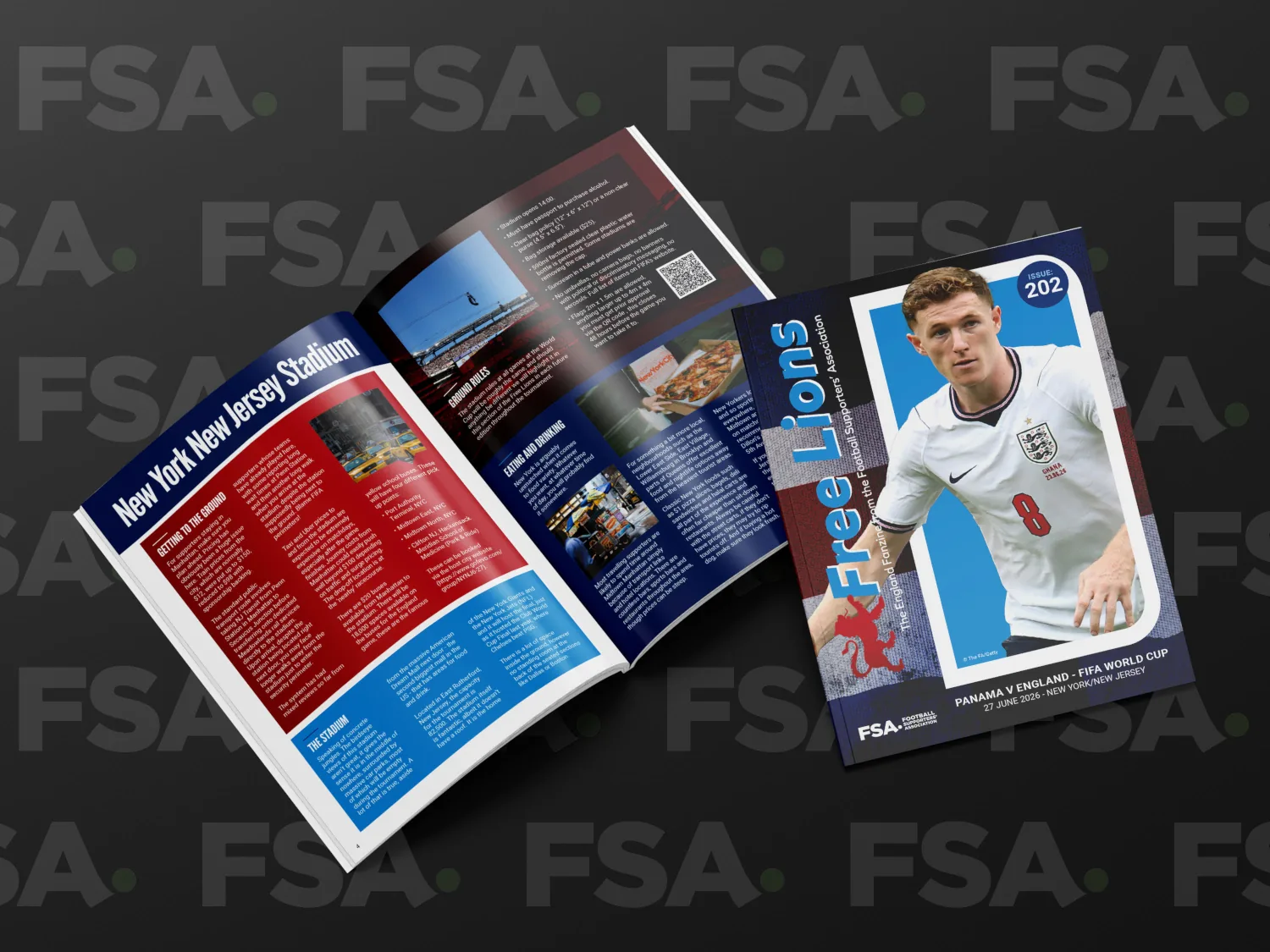
For supporters travelling to the match, the Football Supporters’ Association (FSA) has released a Free Lions Fans’ Embassy guide for New York and New Jersey. The guide provides information for England fans attending the fixture against Panama at the MetLife Stadium in New Jersey, which is referred to as the New York New Jersey Stadium for the duration of the tournament.
A Fans’ Embassy will be available at Central Park Tavern on West 57th Street, near Columbus Circle, outside New York’s Central Park. This will be open from midday to 5pm on Friday. Further updates regarding the matchday location will be shared via the Free Lions’ social media channels. The Free Lions website also serves as a dedicated resource for England fans travelling throughout North and Central America for the World Cup 2026.
The Free Lions 202 guide includes insights on Panama, a welcome to New York and New Jersey, details on getting around, dining, and other local information. It also features a dissection of the Ghana draw and a guide to the MetLife Stadium. The Fans’ Embassy helpline will operate 24/7 before and after the game on +44 7956 121314.
Read Also
Source: theguardian.com