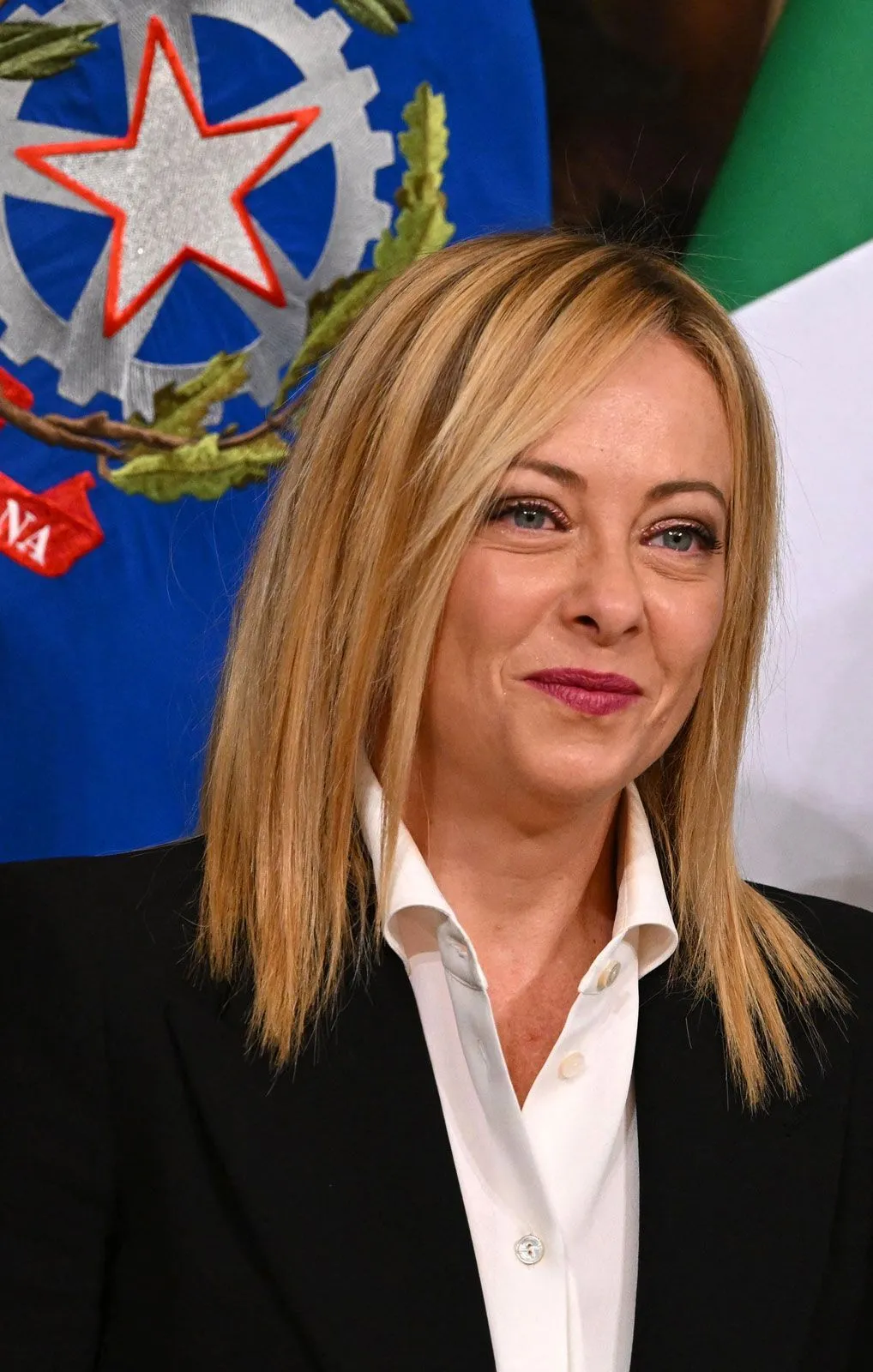
Before recent developments, Giorgia Meloni was perceived as a staunch supporter of Donald Trump, aligning closely with his policies. However, this perception has drastically shifted as public opinion in Italy has soured, particularly towards Trump, with 80 percent of Italians expressing an unfavorable view of him according to a YouGov poll.
The decisive moment came when Meloni criticized American policies on Ukraine, Greenland, and tariffs during a parliamentary session. This marked a clear departure from her previous alignment with Trump, indicating a strategic pivot in response to growing domestic discontent and international pressures.
As a result of this shift, Meloni’s government is now advocating for more flexible EU fiscal rules, primarily due to concerns over energy security. This change is crucial as Italy’s deficit has breached the EU’s limit of 3 percent, complicating its fiscal flexibility and economic strategy.
Meloni’s approval ratings have taken a hit, exacerbated by the ongoing war in Iran and rising energy prices. The Italian economy is forecasted to grow by only 0.5 percent this year, down from earlier estimates, highlighting the economic challenges her government faces.
Moreover, her relationship with Trump has become a political liability as key elections approach. The fallout from her government’s decision to cut funds for a program supporting investment, attributed to the war in Iran, has further fueled public disapproval.
In a recent referendum on judicial reform, 61 percent of voters aged 18-34 voted against Meloni’s proposals, signaling a significant disconnect with younger constituents. This defeat underscores the urgency for her administration to recalibrate its approach.
Experts like Roberto D’Alimonte have noted Meloni’s cautious and pragmatic nature, suggesting that her political skills will be tested as she navigates these turbulent waters. “When we don’t agree, we say so — and this time we do not agree,” Meloni stated, emphasizing her commitment to transparency in governance.
In light of these developments, Meloni’s government is facing mounting pressure to address both public sentiment and economic realities. The stakes are high as Italy grapples with its position in the EU and its relationship with the United States, particularly in the context of ongoing geopolitical tensions.
As Meloni continues to redefine her political stance, the implications for Italy’s future remain significant. Details remain unconfirmed as the situation evolves, but the urgency for a strategic response is clear.