New Leadership for Manchester United Women
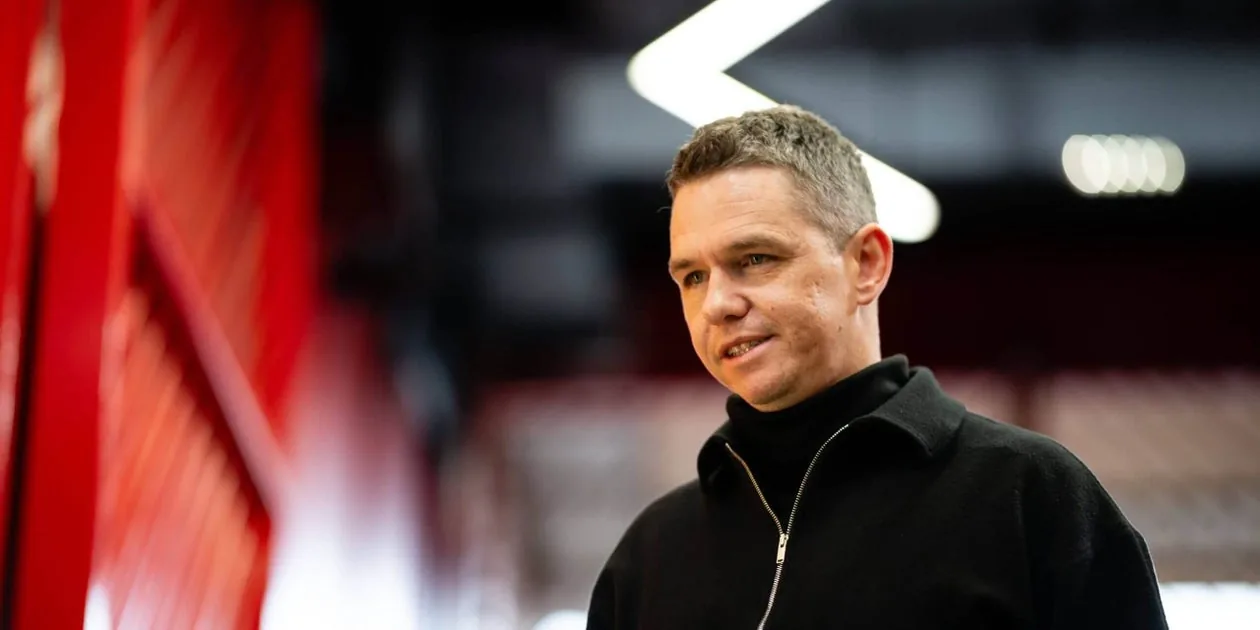
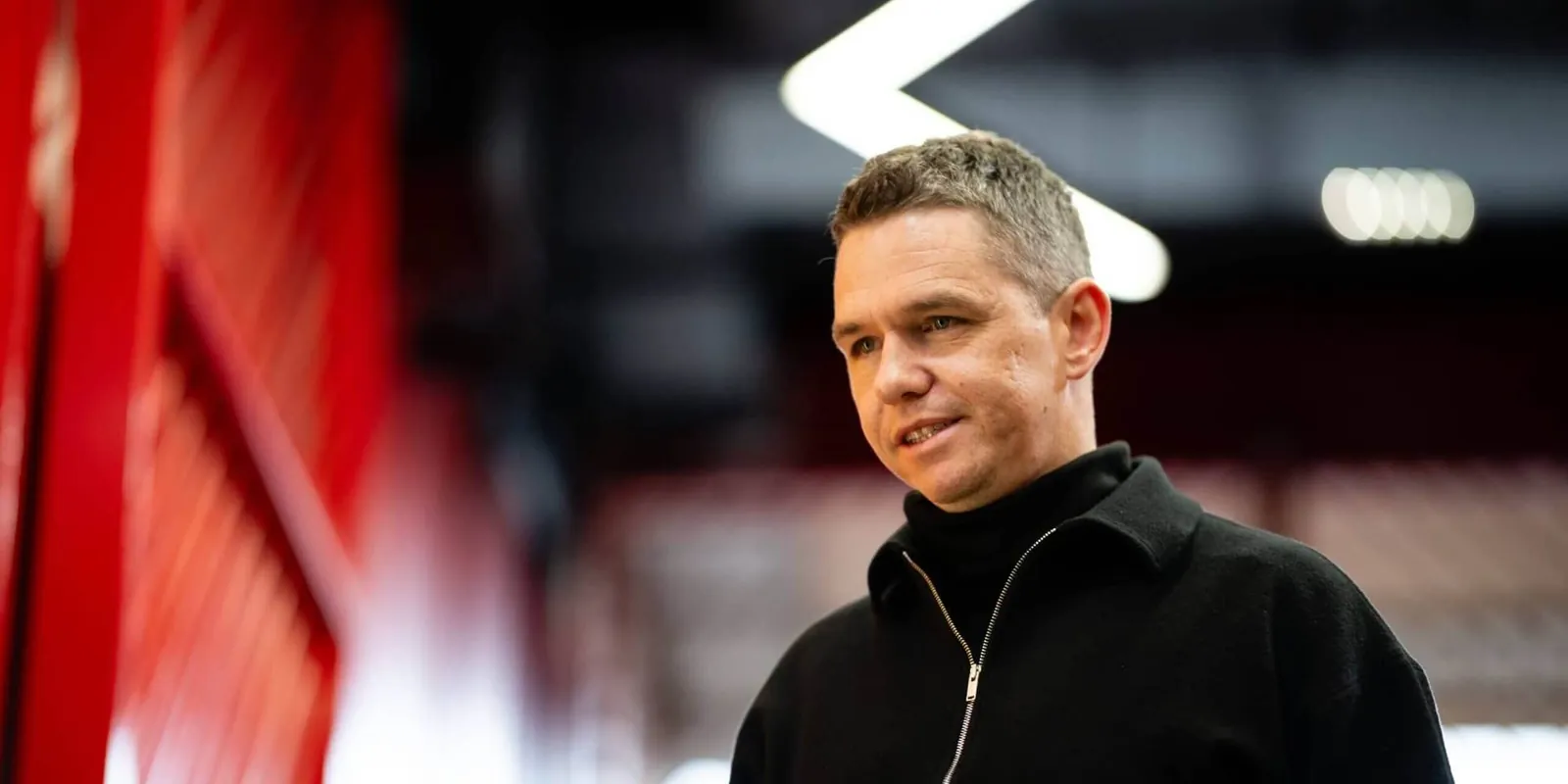
Manchester United Women have announced the appointment of Eva Olid as their new head coach. Olid joins the club following the departure of Marc Skinner, who left his role after five years. Olid’s immediate task will be to prepare the squad for the upcoming campaign, which includes a WSL opener against London City Lionesses.
Olid previously managed Hearts, where she led the team to a historic first Scottish title last season before her departure in the summer. Her tenure at Hearts, which began in 2021, saw the club reach their first Scottish Cup final in 2024, where they were defeated by Rangers. Hearts also finished two points ahead of Rangers in the Scottish Women’s Premier League last term.
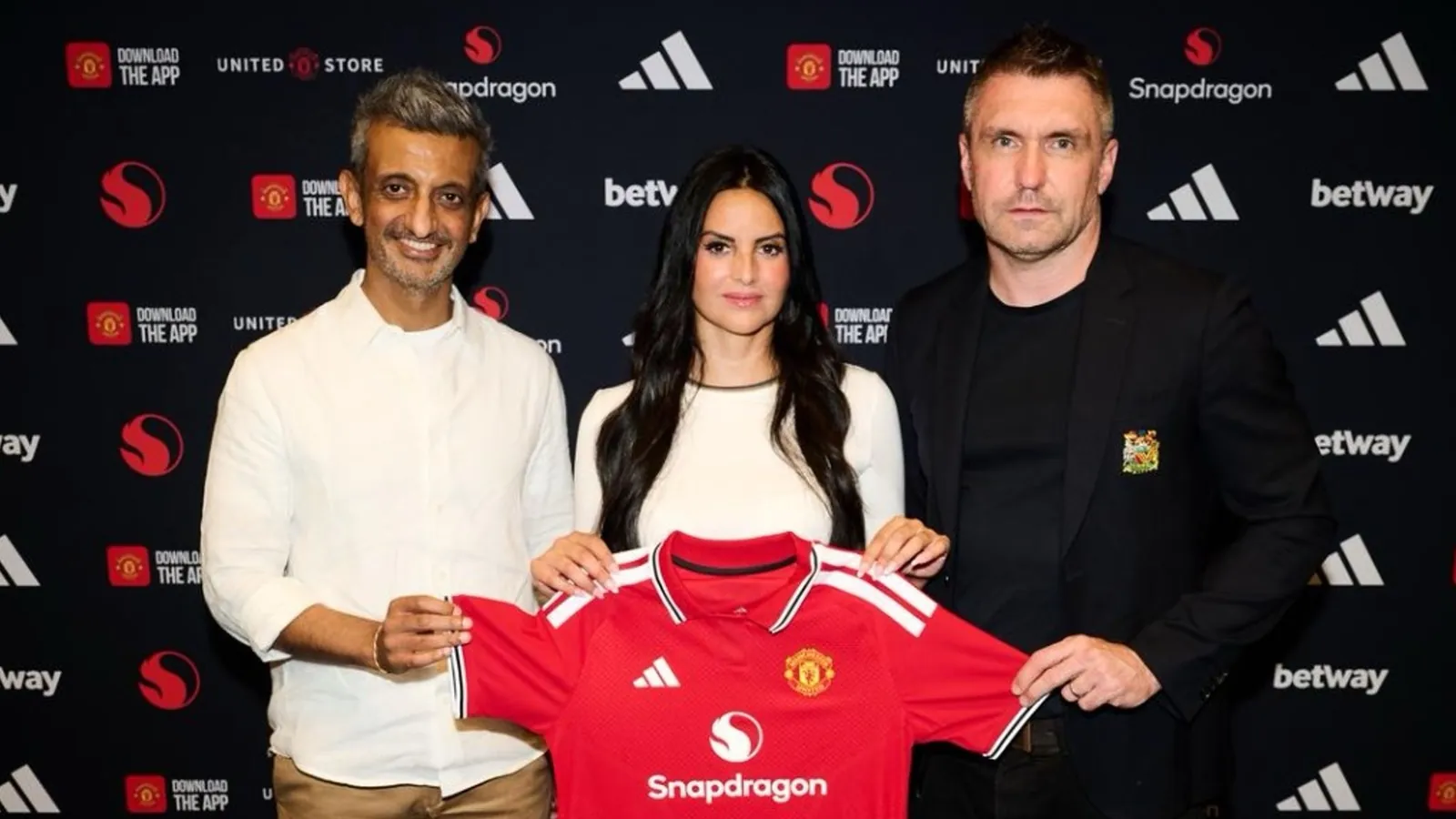
The Spanish coach is viewed by Manchester United as a suitable candidate to develop existing players within the squad and those progressing through the academy. Olid expressed her enthusiasm for the role, stating that the opportunity is a “dream come true” and highlighted the club’s infrastructure, training facilities, and academy as key assets for achieving ambitions.
Club’s Strategic Shift and Skinner’s Departure
The appointment of Olid aligns with a changing ethos within the women’s team at Manchester United. Following the involvement of Ratcliffe and INEOS, the club’s focus has shifted towards concentrating on the academy and developing players internally to compete for silverware. This approach is intended to lead to long-term success, with the club expressing concerns about the sustainability of high investment in the transfer market and the increasing costs associated with being a WSL title contender.
Skinner’s departure on Monday followed a period of growing frustration regarding the team’s direction, particularly concerning investment in the summer. Sources familiar with the situation indicate that Skinner offered his resignation on Sunday evening, leading to a mutual termination of his contract. During his five-year tenure, Skinner led Manchester United to four finals—three in the FA Cup and one in the League Cup—and secured their first major trophy in the 2023/24 season. The team also participated in European competition for the first time, reaching the quarter-finals of the Champions League last season.
In a meeting with first-team players and staff, the club’s director of football operations, Ameesh Manek, outlined a plan for a “sustainable long-term” investment model, emphasizing a return to developing academy players. While two more signings, a central defender and a left-winger, were mentioned, some players reportedly questioned if this would be sufficient to maintain competitiveness with the WSL’s top three, especially after finishing fourth last season and outside of Champions League qualification spots.
Financial Context and Player Movements
Concerns about the club’s budget for the women’s team have been noted, with reports suggesting it ranks among the lower end in the WSL. This summer, Manchester United made two signings: reserve goalkeeper Janina Leitzig and Spain defender Andrea Medina. In contrast, five players have departed, including France winger Melvine Malard, who moved to Chelsea. The club opted not to meet Malard’s salary expectations.
The sale of players has been a mechanism to generate funds for new acquisitions. Defender Millie Turner and midfielder Lisa Naalsund were sold to Birmingham City for £100,000 each. The fee received for Malard represents a record for United Women. Despite the financial gains from player sales, some within the women’s setup expressed concerns that these funds were primarily filling budget gaps for the summer.
However, the current financial strategy and focus on academy development suggest that achieving consistent high-level returns may require time. The women’s team’s operating budget increased from just under £5 million in 2021-22.
The 2024-25 season saw United Women spend on wages. This figure was notably less than Arsenal’s wage bill. Manchester City, who finished fourth in the WSL that year, reported a wage bill of £8.5 million.
Read Also
Source: skysports.com