Call for Reconsideration
Spain‘s junior government partner is advocating for a reevaluation of the country’s joint bid with Morocco to host the 2030 World Cup. This call follows a significant migration crisis that occurred in the Spanish enclave of Ceuta. Sumar, a left-wing party that shares power with the leading Socialists, submitted a motion to the Spanish Parliament on Wednesday, urging sports authorities to reconsider the plans to co-host the football tournament with Morocco and Portugal.
Despite holding 26 seats in the 350-member Parliament, Sumar‘s influence is notable due to its ministerial positions within Prime Minister Pedro Sánchez‘s government. Mr Sánchez has faced criticism from other European Union members regarding the events in Ceuta. The motion, which is non-binding, seeks broader parliamentary support, though it currently appears unlikely to gain traction beyond other smaller, left-wing factions.
The push for reassessment comes after tens of thousands of people crossed the Moroccan border into Ceuta last week. Mr Sánchez publicly defended Moroccan authorities, stating they quickly assisted in the return of nearly all 72,000 individuals who crossed. However, Spain‘s Interior Ministry reported that approximately 2,000 people, including 1,000 minors, remained in Ceuta. Opposition figures and Spain‘s defence minister have requested a more detailed explanation from Morocco regarding its response to the crisis, which was reportedly fueled by social media posts encouraging border crossings. Tragically, more than 80 people died attempting to swim across a breakwater and border fence from Morocco into Ceuta last Thursday and Friday.
Nahuel González, a Sumar MP and co-author of the motion, accused Morocco of using migration for political leverage. He stated that the Moroccan state and monarchy do not respect human rights and utilise migrants to exert political pressure. While Mr González did not explicitly call for Morocco‘s exclusion or Spain‘s withdrawal, he clarified that the request is for Spain‘s sports institutions to reconsider the World Cup bid with Morocco, emphasising the defence of human rights.
In Portugal, a small parliamentary party named Livre echoed these concerns, sending a letter to Prime Minister Luís Montenegro and the President of the Portuguese Football Federation. The letter called for a reassessment of the World Cup bid, deeming it “unsustainable” after the Ceuta crisis. The majority of the 2030 World Cup is planned to be co-hosted by Spain, Morocco, and Portugal, with Argentina, Paraguay, and Uruguay each staging a single game to mark the centenary of Uruguay hosting the inaugural World Cup in 1930.
Stadium Challenges and FIFA Standards
The joint bid faces practical challenges regarding stadium infrastructure and capacity. Spain initially proposed eleven stadiums, while Morocco is working on preparing its facilities. However, some Spanish cities, such as La Coruña and Málaga, have already withdrawn their proposals, with warnings that more withdrawals may follow. The Spanish federation anticipates that FIFA will reduce the number of stadiums in both Spain and Morocco. Of the nine remaining Spanish venues, at least two or three are expected to be cut. The same logic applies to Morocco, where the list of proposed facilities may be reviewed against similar criteria.
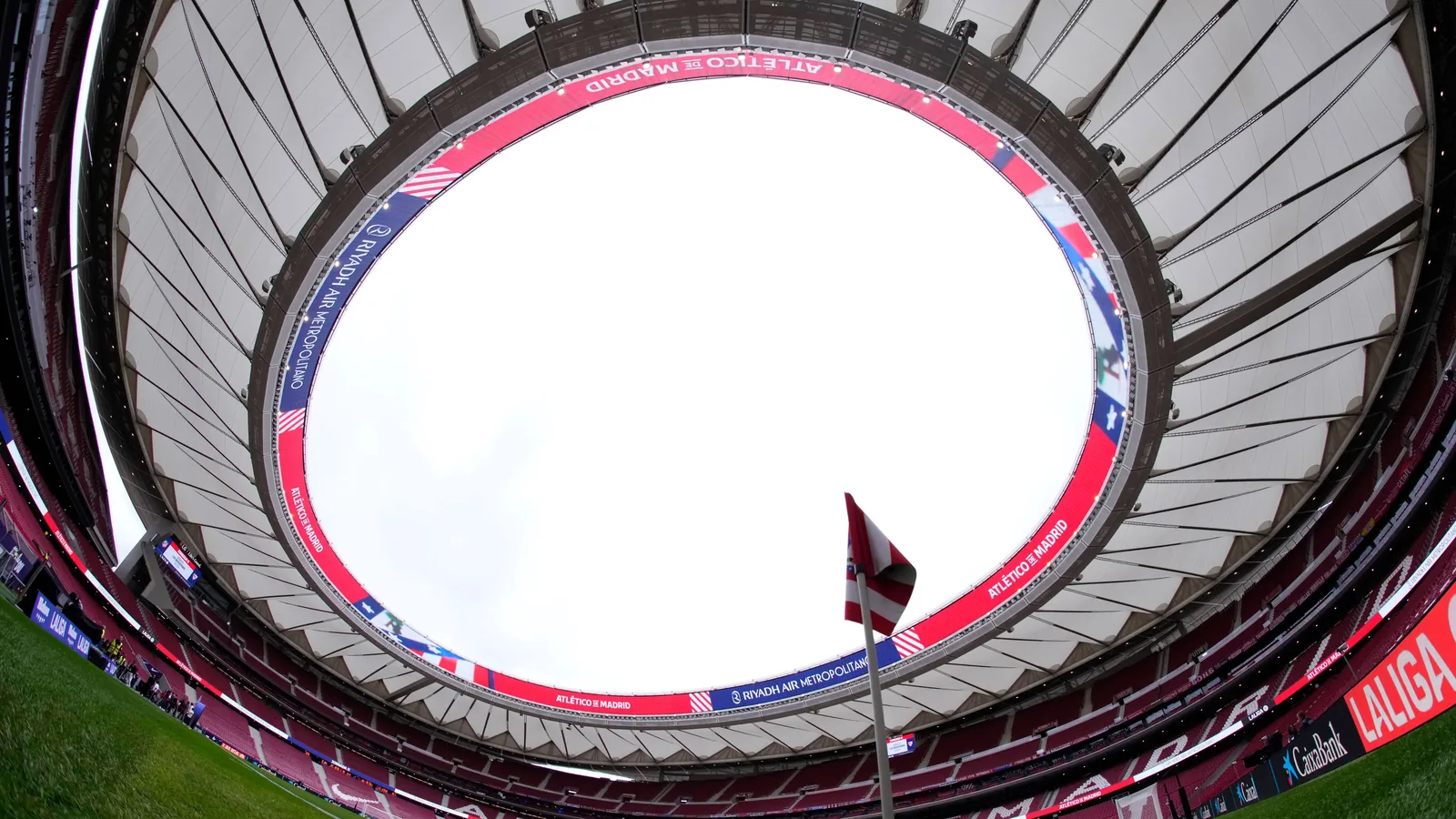
Among the Spanish grounds that are relatively confirmed are the Santiago Bernabéu, Camp Nou, Metropolitano, and San Mamés. In Morocco, host cities face comparable challenges concerning capacity, technical standards, and surrounding infrastructure. For instance, Spain‘s Anoeta stadium has a capacity that is at the maximum threshold required by FIFA, a situation that could be replicated in some Moroccan grounds needing substantial upgrades.
Antón Meana, a journalist at Spain‘s “Cadena SER” radio, suggested that Vigo‘s chances do not appear strong, while Valencia has better prospects. He added that reaching eight stadiums in total would be considered an achievement. This anticipated reduction means that Moroccan cities may also lose opportunities they had relied upon, especially those that invested in initial planning without final guarantees.
Both countries share the challenge of meeting FIFA‘s strict standards for transport, hotels, and security zones. Cities that cannot quickly meet these requirements, whether in Spain or Morocco, face the choice of withdrawal or the risk of exclusion. This situation necessitates precise coordination between the two nations to present a balanced bid that maintains the spirit of joint hosting without imposing unjustified burdens on either party.
FIFA’s Role in Final Venue Discussions
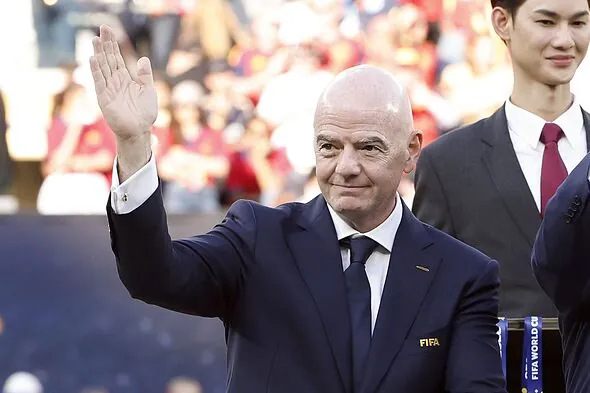
Gianni Infantino, the president of FIFA, could potentially offer the 2030 World Cup final to Morocco, despite Spain‘s claims that they will host the tournament’s finale. It has been suggested that Infantino, who has faced criticism, may have promised Morocco the right to host the final in exchange for their backing, as Morocco has been a loyal supporter since his appointment in 2016.
Morocco has been advocating for the final to be held in the new Hassan II Stadium in Casablanca, which is planned to be the largest football stadium in the world with 115,000 seats upon completion. Reports indicate that Infantino‘s offer would guarantee this new stadium as the venue for the showpiece event, despite a general consensus that Real Madrid‘s Bernabéu in Spain would be the destination for the final. This contrasts with earlier statements from Spanish FA president, Rafael Louzan, who insisted that Spain would lead the 2030 World Cup and host its final.
These discussions come as Infantino held a meeting in Rabat with key FIFA staff to address concerns about his presidency, following backlash over controversial plans to sell stakes in the World Cup. These proposals, known as the FIFA Forward Enterprise, were met with strong opposition, particularly from officials in Europe, with UEFA threatening to boycott the tournament if they proceeded. The plans were ultimately scrapped on Friday, but pressure for Infantino‘s resignation has continued. UEFA issued a statement indicating that its national teams would not participate in any FIFA competition if these proposals remained active, unless they were entirely abandoned and binding assurances were given that FIFA would never again open its governance or competitions to private ownership. Infantino later released a statement confirming the proposal would not proceed, aiming to unite all interested parties.
Read Also
Source: independent.co.uk