Spain’s Road to the Final
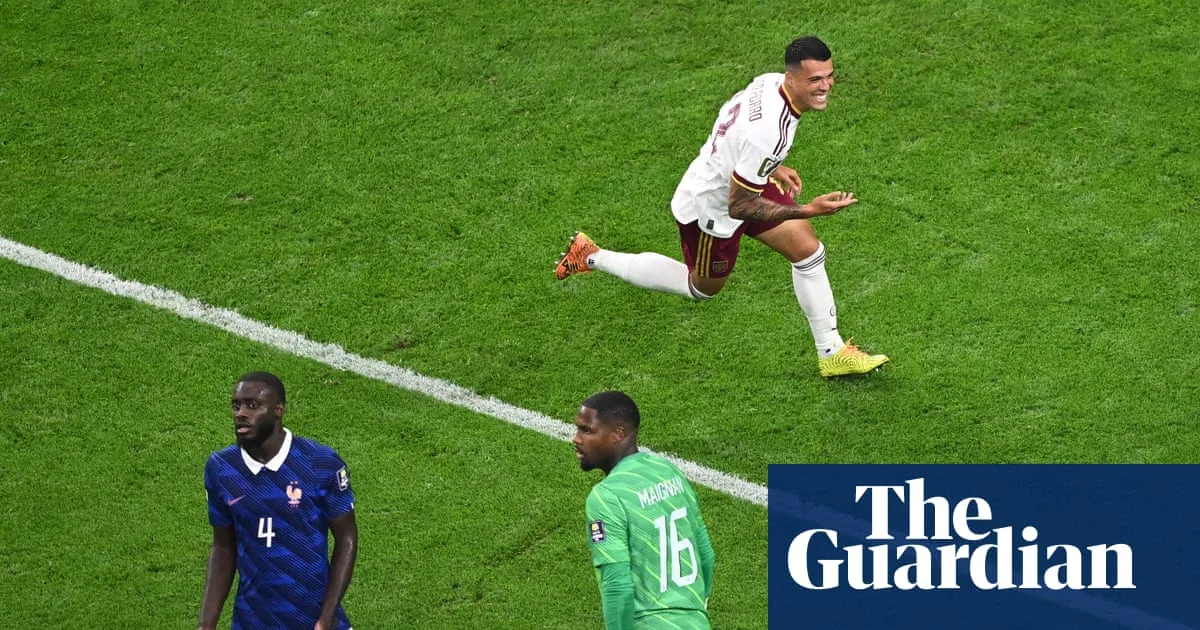
Spain has secured a place in the World Cup final, following a commanding 2-0 victory over France. The semi-final match saw Spain deliver a masterclass in control, effectively neutralising a France team that had been considered overwhelming favourites throughout the tournament. Despite France‘s strong attacking lineup, including players like Kylian Mbappe, Ousmane Dembele, and Michael Olise, they were unable to break through Spain‘s defence, managing only three attempts on target.
Under the guidance of manager Luis de la Fuente, Spain has been in exceptional form, extending their unbeaten run in international football to 37 matches, which equals Italy‘s record. This impressive streak includes keeping clean sheets in six of their seven games in the current World Cup. Their journey to the final has seen them overcome challenges, including a 0-0 draw against Cape Verde in their opening match and late winners against Portugal and Belgium in the knockout stages.
The semi-final win was decided by goals from Mikel Oyarzabal, who converted a penalty, and Pedro Porro, who scored with a well-executed finish. These were Spain‘s only two attempts on target in the match, highlighting their clinical efficiency. The team’s collective strength and tactical discipline were key factors in their victory, as noted by football analysts.
Tactical Superiority and Key Performances
Spain‘s performance against France was characterised by their established principles of possession, counter-pressing, and a dominant midfield. The midfield trio of Fabian Ruiz, Rodri, and Dani Olmo effectively controlled the game, outmanoeuvring France‘s midfield. Dani Olmo, playing as a roaming number 10, created significant problems for the France defence by dropping deep and resisting pressure to link up with teammates.
The opening goal came from a penalty awarded after Lamine Yamal was fouled by Lucas Digne. Oyarzabal calmly dispatched the spot-kick, giving Spain the lead. Pedro Porro then doubled the lead with a goal that showcased Spain‘s ability to exploit weaknesses in the opposition’s defence, particularly around the French full-backs. Olmo provided the assist for this goal, demonstrating his influence on the attacking play.
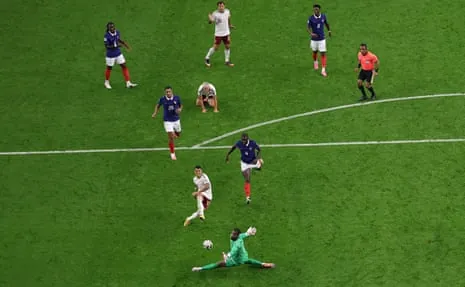
France‘s manager, Didier Deschamps, made some significant tactical decisions for the match, including recalling Aurélien Tchouaméni and preferring Bradley Barcola on the left. However, these changes did not yield the desired results, as France struggled to create cohesive attacks. Injuries also played a role, with William Saliba departing due to injury shortly after Spain‘s first goal, and Adrien Rabiot, who was booked early, being substituted at half-time.
Looking Ahead to the Final
Following their impressive semi-final victory, Spain is expected to be the favourites for Sunday’s World Cup final. They will face either Argentina or England, with the other semi-final yet to be played. Manager Luis de la Fuente expressed no preference for their final opponent, acknowledging England as one of the pre-tournament favourites.
The team’s success is attributed to a long-term development process, with many players having come through Spain‘s youth teams under De la Fuente. Players like Mikel Merino, Rodri, and Unai Simon were part of the European Under-19 Championship-winning squad in 2015. This shared history has fostered a strong collective spirit within the team, where the emphasis is on being better together than as individuals.

Spain‘s journey has been marked by a return to the spirit of their 2010 World Cup-winning side, focusing on effort, talent, and sacrifice. The team’s character is evident in their dedication, with even non-playing members staying behind to train after matches. This commitment has allowed them to reach the final in optimal condition, aiming for their first World Cup title since 2010.
The World Cup final is scheduled for Sunday in New Jersey.
Read Also
Source: bbc.co.uk