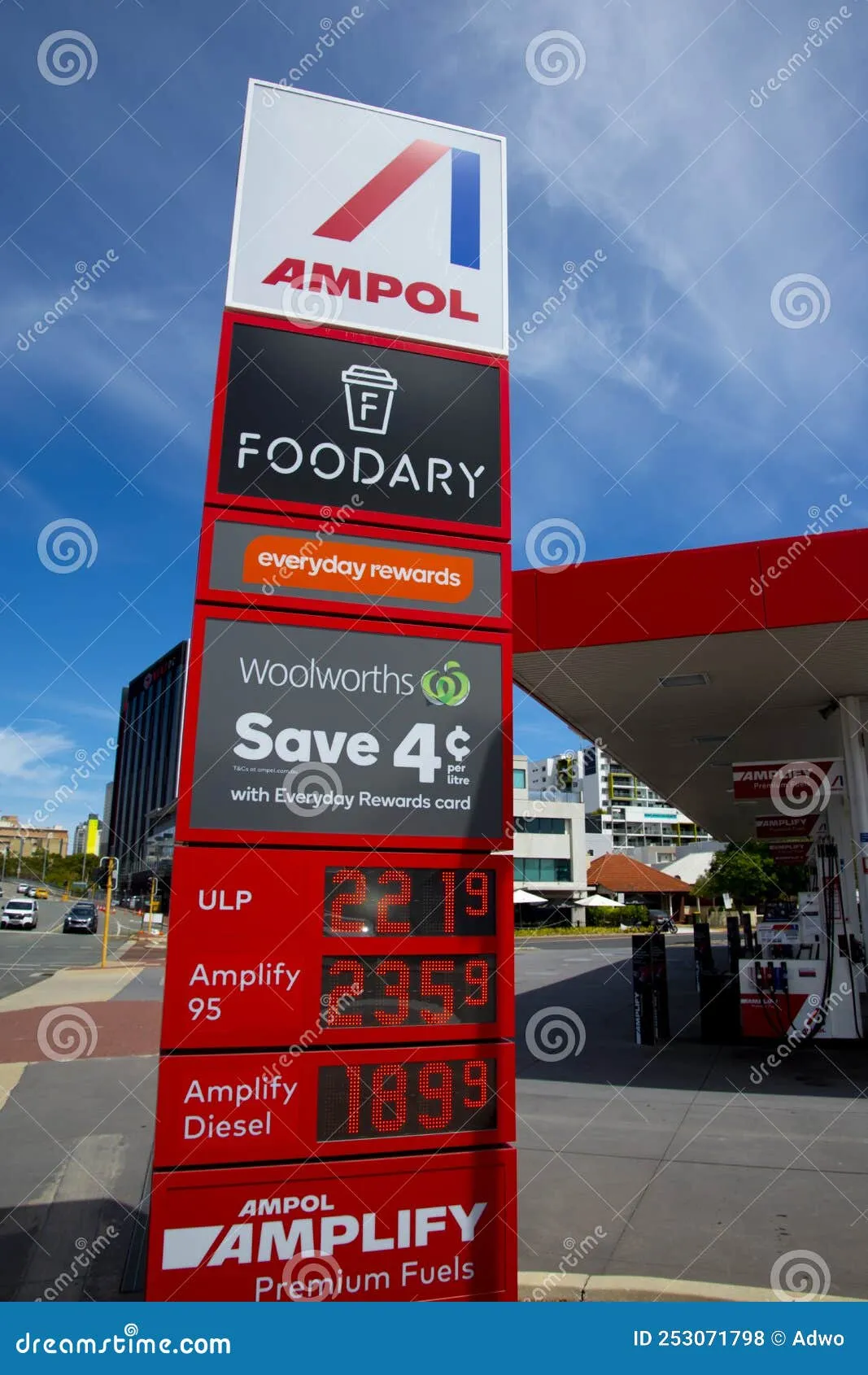
Australia is on the brink of a fuel crisis, with petrol stations running dry as the nation’s oil reserves are rapidly depleting. At the current rate of consumption, experts warn that the country’s proven and probable oil resources will be exhausted in just seven years unless significant changes are made to its import strategy.
Currently, Australia has only 1.3 billion barrels of proven or probable oil reserves, alongside an additional 2.2 billion barrels classified as contingent reserves. However, with 80 percent of liquid fuels being imported, the situation is dire. The International Energy Agency mandates that all member countries maintain emergency oil stocks equivalent to at least 90 days of imports, a requirement that Australia is struggling to meet.
Only two oil refineries remain operational in the country: the Ampol-owned Lytton refinery in Brisbane and the Viva Energy operation in Geelong. These aging facilities are increasingly unable to compete with larger, more efficient refineries in Asia. As a result, the capacity to refine crude oil into usable fuel is diminishing, further exacerbating the crisis.
Refined fuels are particularly problematic; they do not have the longevity of crude oil and are more volatile, deteriorating quickly. This volatility poses a significant risk to supply stability, especially as Australia’s domestic production declines. The Bass Strait, once a significant source of oil, is nearing depletion, leaving the nation increasingly reliant on imports.
Australia’s limited identified conventional oil reserves are being depleted at a faster rate than they are being replaced by new discoveries. This alarming trend raises questions about the country’s energy security and its ability to sustain fuel supplies in the coming years. The reliance on imports makes Australia vulnerable to global market fluctuations and geopolitical tensions, particularly with major oil-producing nations.
In recent years, Australia had some reserves stored in the United States, but these holdings were insufficient to meet the country’s obligations under international agreements. As the situation worsens, the government faces mounting pressure to develop a comprehensive strategy to secure energy independence and bolster domestic production capabilities.
Details remain unconfirmed regarding potential measures to address the impending crisis, but the urgency for action is clear. As petrol stations across Australia face shortages, the need for a robust energy policy has never been more critical. Without immediate intervention, the country risks facing widespread fuel shortages that could disrupt daily life and economic stability.