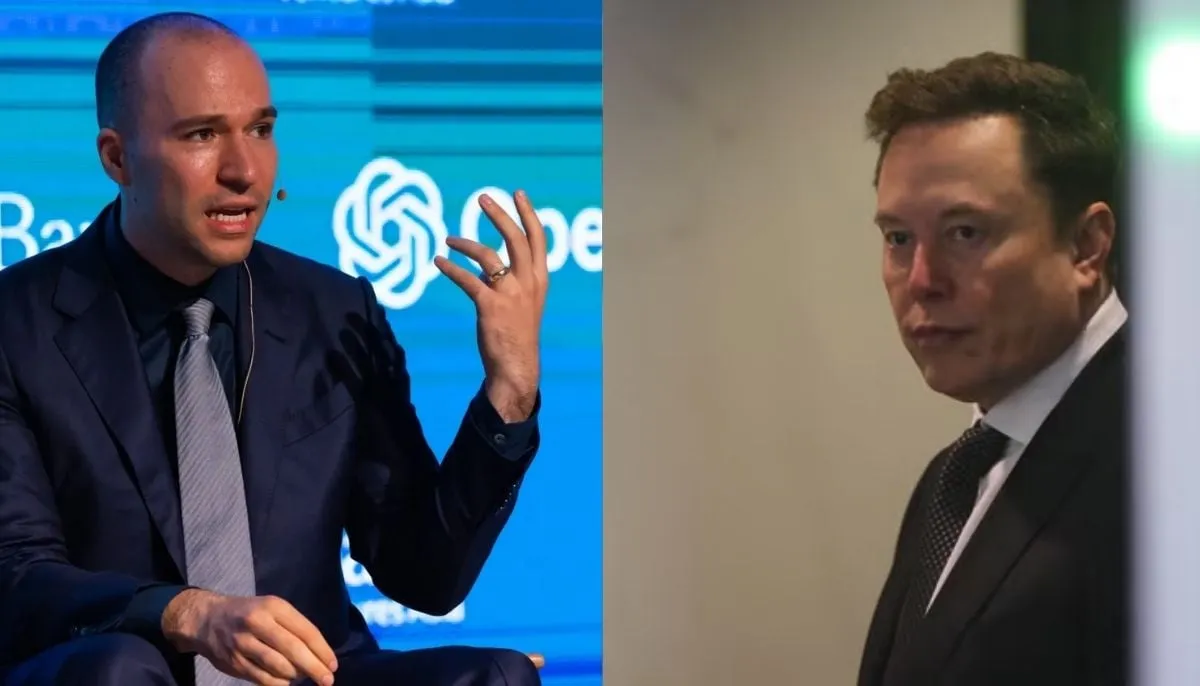
“He said he needed $80 billion to create a city on Mars,” testified Greg Brockman, president of OpenAI, during a trial that has significant implications for both Musk and the AI organization.
The trial centers on Elon Musk’s ambitious plan for Mars colonization. Musk claims he was defrauded by OpenAI out of $38 million. He argues that full control over OpenAI is essential to secure funding for his interplanetary vision.
As of midday, the courtroom buzzed with tension. Brockman stated that Musk’s request for control stemmed from the need for substantial funding. OpenAI plans to allocate $50 billion toward computing resources in 2026, which raises questions about financial priorities.
A new study suggests astronauts could make a round trip to Mars in less than a year. Current mission profiles take approximately seven to ten months one way. This development could shift timelines and expectations for future missions.
The next viable opportunity for rapid travel to Mars using near-term technology is projected for 2031. A spacecraft could potentially complete a round trip in just 153 days during this alignment.
Musk’s vision for Mars colonization has been met with skepticism and excitement alike. The outcome of this trial could determine not only the future of OpenAI but also the trajectory of space exploration funding.
Marcelo de Oliveira Souza remarked, “Maybe this can change the idea that we need more than two years to go to Mars and return.” His words highlight the urgency surrounding advancements in interplanetary travel.