The British Grand Prix at Silverstone is expected to be a significantly altered experience for drivers this year due to new car regulations, according to several competitors. Lewis Hamilton described the track as becoming a “completely different circuit,” a sentiment echoed by Lando Norris and Max Verstappen.
The changes stem from the energy management requirements of the new cars, which will impact power deployment, particularly on Silverstone’s high-speed sections. The circuit, known for its demanding high-speed corners and lack of heavy braking points, is considered an “energy-starved” track under the new rules. This means cars will struggle to recharge their electrical power sufficiently to maintain top speeds.
Impact on Driving Experience
Hamilton highlighted that the cars will be recovering energy through challenging corners like Copse and Becketts. He noted that the engines will not be able to maintain full power at key points, leading to a significant reduction in deployment. “If you look at the speed traces, we start losing deployment going into Copse,” Hamilton explained. He added that areas like Maggotts and Becketts will not feel the same, requiring drivers to “lift and coast” for periods.
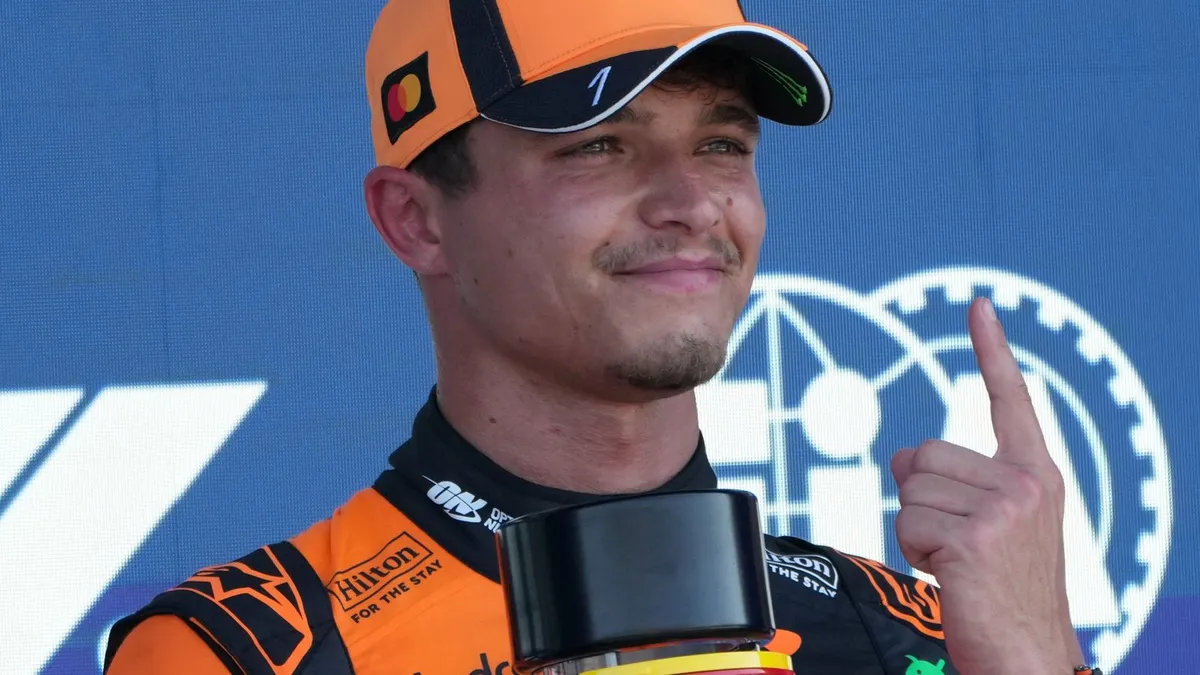
Norris also commented on the reduced challenge. He mentioned that corners like Copse, Maggotts, and Becketts would not present the same level of difficulty as before, with drivers experiencing longer deceleration zones.
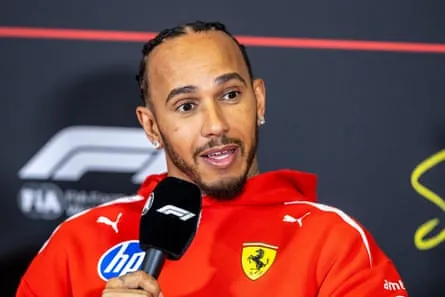
Fernando Alonso of Aston Martin pointed out that the cars will have “significantly less power than last year and less power than F2” when deployment is cut. Hamilton also suggested that Ferrari’s performance deficit to Mercedes could be “twice as big” at Silverstone compared to the Austrian Grand Prix due to the track’s nature.
Driver Concerns and FIA Decision
Despite the concerns about reduced power, Mercedes driver George Russell, who won in Austria, suggested that the new regulations could lead to more interesting racing. He believes that many fans, even hardcore enthusiasts, might not notice the difference unless watching onboard footage, though he admitted the sound might not be as impressive.
Russell also noted that the governing body, the FIA, decided not to allow a straight-line mode between Turn One and Turn Three, and between Copse and Becketts, for safety reasons. A meeting on Thursday morning could have reversed this decision, but five of the eleven teams voted against it. Russell stated that Mercedes was in favour of the change because it would have improved the driving experience, making a “huge difference” on the simulator.
Some teams reportedly had safety concerns regarding specific parts of the track where the straight mode might have been reinstated. Formula One has already made decisions to adjust the ratio of internal-combustion to electrical power in the coming seasons to address these issues.
Pre-Race Activities
In other news surrounding the event, the pre-race drivers’ parade on Sunday will feature drivers in individual cars made of Lego as part of a promotional event. This follows a similar event in Miami last year. Each driver will have their own car, constructed from 28,000 bricks, with a speed limit of 25km/h.

Both Hamilton and Verstappen expressed reservations about participating. Verstappen was more direct, stating, “I prefer to play with Lego at home with the kids. I prefer to stand on a truck with everyone together. That is more fun and it looks more professional.” He added that he believes F1 drivers “should not look like kids and clowns trying to ram into each other.” However, a Ferrari spokesperson confirmed that Lewis Hamilton will be taking part in the Lego ‘race’.
Read Also
Source: bbc.com