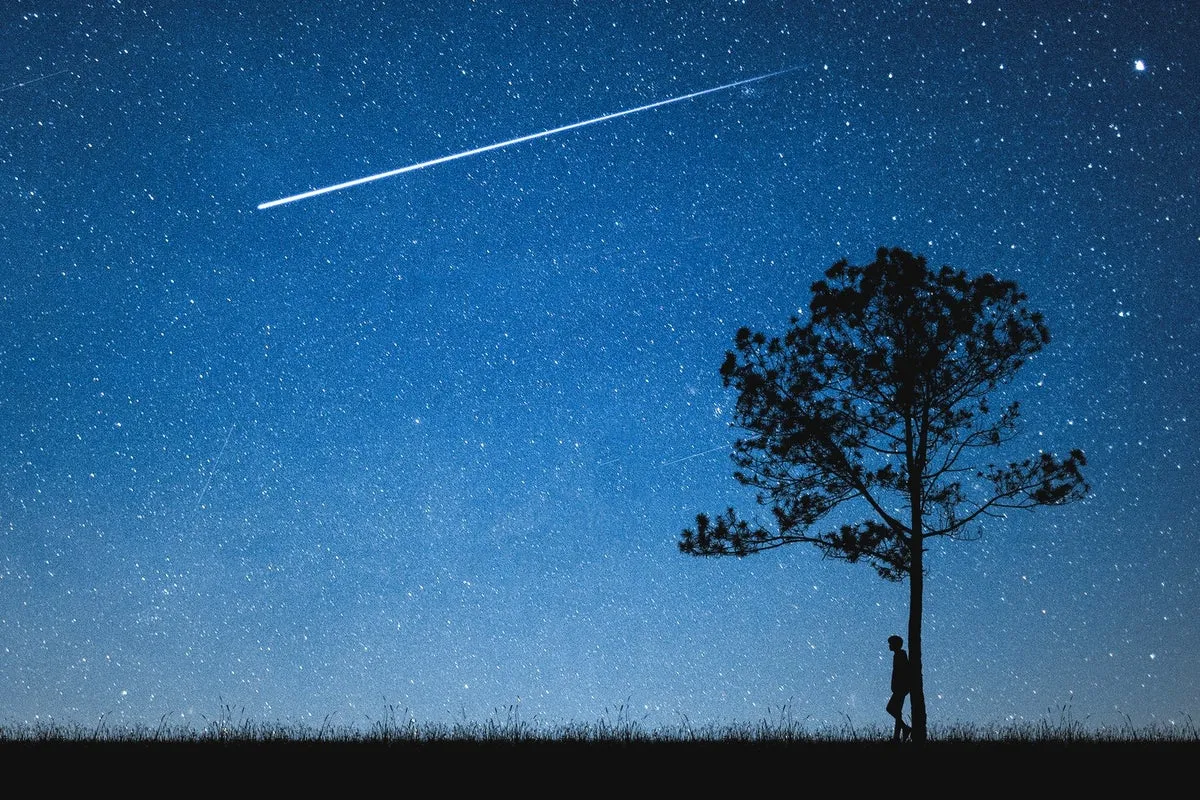
The Eta Aquarid meteor shower peaks on May 6, 2026, but its visibility is compromised by an 84% full moon. Observers in the Southern Hemisphere can expect to see up to 50 meteors per hour under ideal conditions. Meanwhile, those in the Northern Hemisphere will see fewer than 10 meteors per hour.
This bright moon creates significant light pollution, hampering stargazing efforts. As of midday, experts warn that the conditions may not be favorable for many amateur astronomers.
Historically, the Eta Aquarids are debris from Halley’s Comet, which last appeared in 1986 and will return in 2061. The meteor shower remains active from April 19 to May 28, providing a window for viewing shooting stars.
Experts suggest that the best time to view the meteors is during the predawn hours—specifically between midnight and 4:25 AM. Teri Gee from the American Meteor Society noted, “For us in the Northern Hemisphere, it’s not going to be as impressive.”
The Royal Museums Greenwich emphasize patience in meteor watching: “Hunting for meteors… is a waiting game,” they advise. They recommend bringing a comfy chair and dressing warmly since viewers might be outside for extended periods.
Observers should focus on finding bright streaks that appear fleetingly—”You’re looking for bright streaks that appear in the corner of your eye for a fraction of a second,” says Nico Adams.
Despite the challenges posed by light pollution, many enthusiasts remain eager to catch a glimpse of this celestial event. The excitement surrounding meteor showers often draws significant interest from both seasoned astronomers and casual stargazers alike.