A recent sales presentation by Fifa outlining plans for financial growth has sparked considerable debate and opposition. The proposal, which suggests increasing the number of tournaments, raising ticket prices, and utilizing debt financing, aims to persuade member associations to approve the sale of the World Cup‘s commercial rights.
The 25-page document, titled “Fifa Forward Enterprise Member Materials,” details the creation of a new company to manage Fifa’s commercial operations. A 20% stake in this new entity is proposed to be sold to Joshua Kushner, a US investor. The prospectus for this venture was prepared by JP Morgan, the same US bank involved in the failed European Super League five years ago.
The document projects that the four-year Fifa Forward payments to each of the 211 member associations would increase to $24m by the 2035-39 cycle. This is in addition to a previously reported $20m sign-up payment, equivalent to £15m, offered to all member associations, potentially available as early as next January.
Financial Strategy and Concerns
JP Morgan‘s sales presentation indicates that this projected growth would stem from an expanded portfolio of tournaments, capital from third-party sources, debt financing, and a focus on “high yield” partnerships and events. The proposal also mentions a potential increase in the number of global tournaments held annually, from 200 to 450, which could significantly impact player workload.
One key strategy for revenue generation highlighted is the more frequent staging of the World Cup. Gianni Infantino, Fifa president, had previously suggested making the tournament biennial five years ago. The bank’s proposal also considers expanding and optimizing media rights monetization, which could involve selling TV coverage of major events like the World Cup to subscription channels or streaming platforms.
The sales deck asserts that Fifa is “undermonetized,” drawing comparisons with other sports leagues such as the NFL, Major League Baseball, and the NBA. Fifa‘s stated annual revenue of $3.6bn is presented against the NFL‘s reported $21.2bn, Major League Baseball‘s $13.1bn, and the NBA‘s $12.5bn. However, critics have pointed out that these comparisons are made with club or franchise earnings rather than with comparable governing bodies.
The document was distributed to all 211 member associations on Wednesday night, leading to immediate strong reactions. A senior figure questioned why Fifa, with cash reserves of approximately $4bn and accumulated revenues of $15bn over the current four-year cycle, would need to incur debt. Another concern raised was the comparison of a global governing body with private, member-run leagues. The proposed timeline for finalizing the deal, which suggests investors would gain access to a term sheet and select materials in August before a member vote, has also been questioned.
Notably, the document contains minimal information regarding the investor group, with no details on their identity, projected returns, or exit terms. A significant omission from the 25-page prospectus is any mention of women’s football.
Political Reaction and Dissent
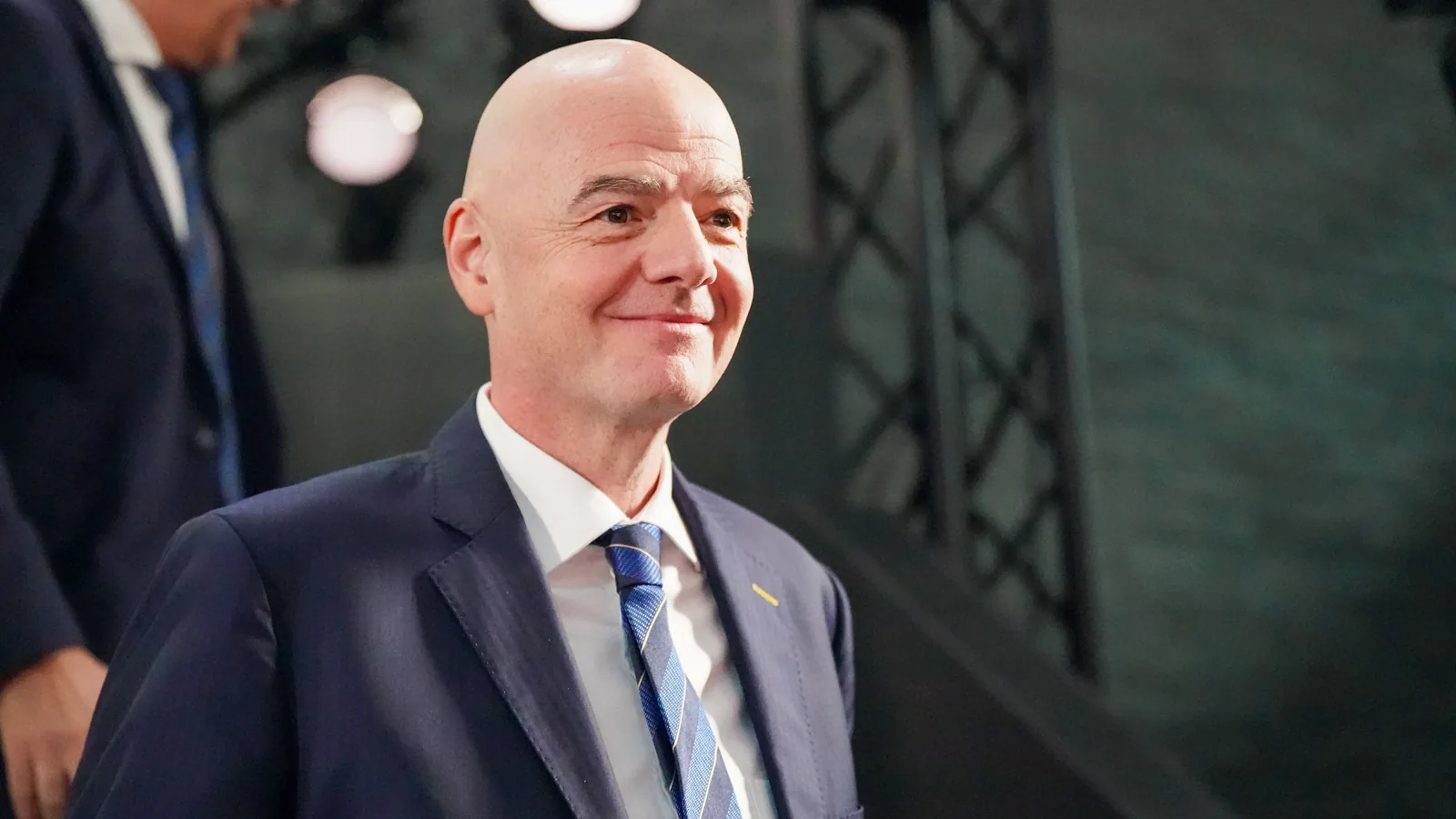
The proposal has not only generated criticism within football circles but has also spilled into the political arena. Sascha Binder, a German politician and Social Democrat member of parliament, has urged the German Football Association (DFB) to impose a nationwide stadium ban on Fifa president Gianni Infantino. Binder believes this would send a strong message against the controversial plans.
Binder‘s letter to the DFB, seen by a German newspaper, describes Infantino‘s proposal to sell the commercial rights of the World Cup to investors as the “latest low point in a series of mistakes and fatal decisions.” He argues that such a ban would demonstrate that clubs and the DFB will not allow football to be negatively impacted by individuals driven by interests other than the sport itself.
UEFA has also expressed its opposition, and several national football associations have voiced similar concerns. Binder‘s call aims to emphasize the need to protect football from further commercialization, urging the DFB and German clubs to collectively send a strong message to Fifa.
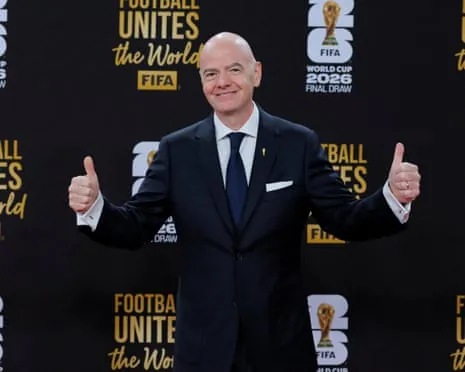
In response to the backlash, Infantino released a video on Wednesday, stating that the Fifa Forward Enterprise is a “proposal, an offer” rather than a compulsory change. He emphasized that it is part of a democratic process and an opportunity, not an obligation, and expressed willingness to discuss it with all stakeholders. The DFB has not yet publicly commented on Binder‘s request.
Read Also
- Global football bodies raise concerns over FIFA's World Cup sell-off plan
- Liverpool: Jack Grealish left out of Manchester City pre-season tour amid Everton transfer speculation
- North Yorkshire club suspends player amid 'Clicky Ponting' cheating allegations
- Pochettino Nears New USMNT Contract Amidst World Cup Reflections
Source: theguardian.com