FIFA’s Proposal and Member Support
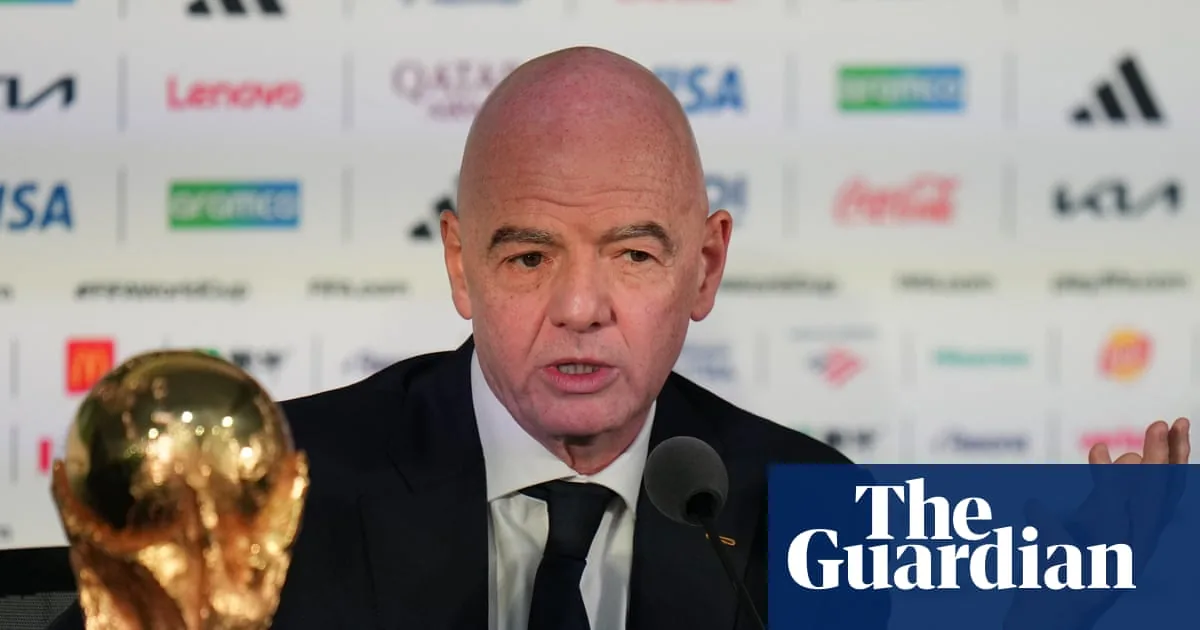
FIFA has announced a plan to sell minority stakes in its football competitions, including the World Cup, to private investors. This initiative, which FIFA President Gianni Infantino describes as the democratisation of football, aims to provide significant funding to member associations. Under the proposal, each of FIFA‘s 211 member associations would receive $20 million in funding if the deal is approved. This payment is intended to support the development of the game globally, with annual funds to members potentially increasing through 2038.
Infantino has garnered substantial support for this plan, particularly from countries in Africa, Asia, and the Americas. This backing stems from various policies he has implemented since becoming FIFA president in 2016, such as the expansion of the World Cup to 48 teams and increased commercial and broadcast revenues. These measures have provided financial benefits to many member nations, creating a base of support that constitutes more than half of FIFA‘s members. A simple majority vote is required for the plan to come into effect.
The investment fund involved, Thrive Capital, is led by Josh Kushner, who is the brother-in-law of Donald Trump‘s daughter, Ivanka. FIFA is also being advised by Greg Maffei, a former president of Formula 1 owner Liberty Media, who has previously donated to Trump‘s political campaigns. Infantino has cultivated a close relationship with Trump, having awarded him a Peace Prize and opened a FIFA office in Trump Tower.
Concerns and Opposition from Governing Bodies
Despite the potential financial benefits for some nations, the proposal has been met with significant criticism and concern from various football governing bodies and stakeholders. UEFA, the European governing body, has accused FIFA of attempting to enrich itself and its associates. UEFA President Aleksander Ceferin has boycotted the World Cup final in protest against certain FIFA decisions, indicating a deepening conflict between the two organisations. UEFA is reportedly considering a boycott of FIFA events, including the World Cup and the Club World Cup, as a potential response.
Other confederations, including CONCACAF (North, Central American and Caribbean) and the Asian Football Confederation, have also expressed strong disapproval. They stated that they were not consulted about the deal and only learned of it through media reports. CONCACAF highlighted a lack of due process and expressed disappointment that such a detailed plan was made public without prior discussion with relevant governance bodies. The Football Association (FA) in England also voiced concerns about the lack of information and transparency surrounding the proposal.
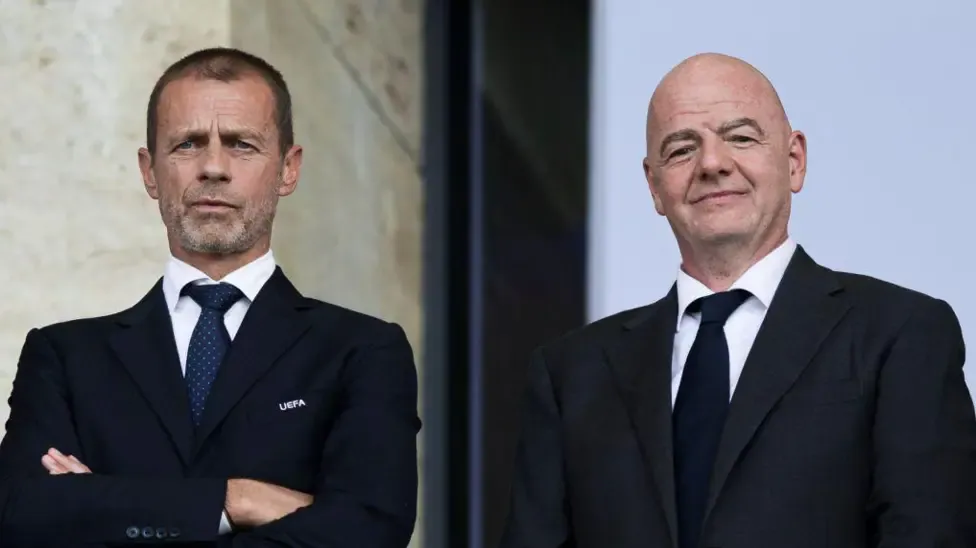
Critics argue that the soul and governance of football are not assets to be traded, especially without transparency regarding financial beneficiaries. Miguel Maduro, a former chairman of FIFA‘s governance committee, has raised doubts about whether the allocated funds would reach the intended levels of football development, citing past issues of corruption and describing the proposal as a form of “legalised bribe.”
Financial Implications and Future Outlook
The plan involves selling a reported 20% minority stake in a new subsidiary, FIFA Forward Enterprise, at an equity valuation of $20 billion, aiming to raise an estimated $4.2 billion in 2026. While FIFA would receive a large influx of cash, critics point out that the World Cup‘s value is likely to increase significantly in the coming years. Selling stakes now would mean private investors share in this future growth, rather than FIFA and football alone.
FIFA, a non-profit organisation under Swiss law, theoretically aims for the long-term wellbeing of football. However, the proposed sell-off suggests a shift towards commercialisation that some believe prioritises profit over the sport’s integrity. The deadline for member associations to decide on applying for the initial $20 million payment is 19 September.
Read Also
Source: bbc.co.uk