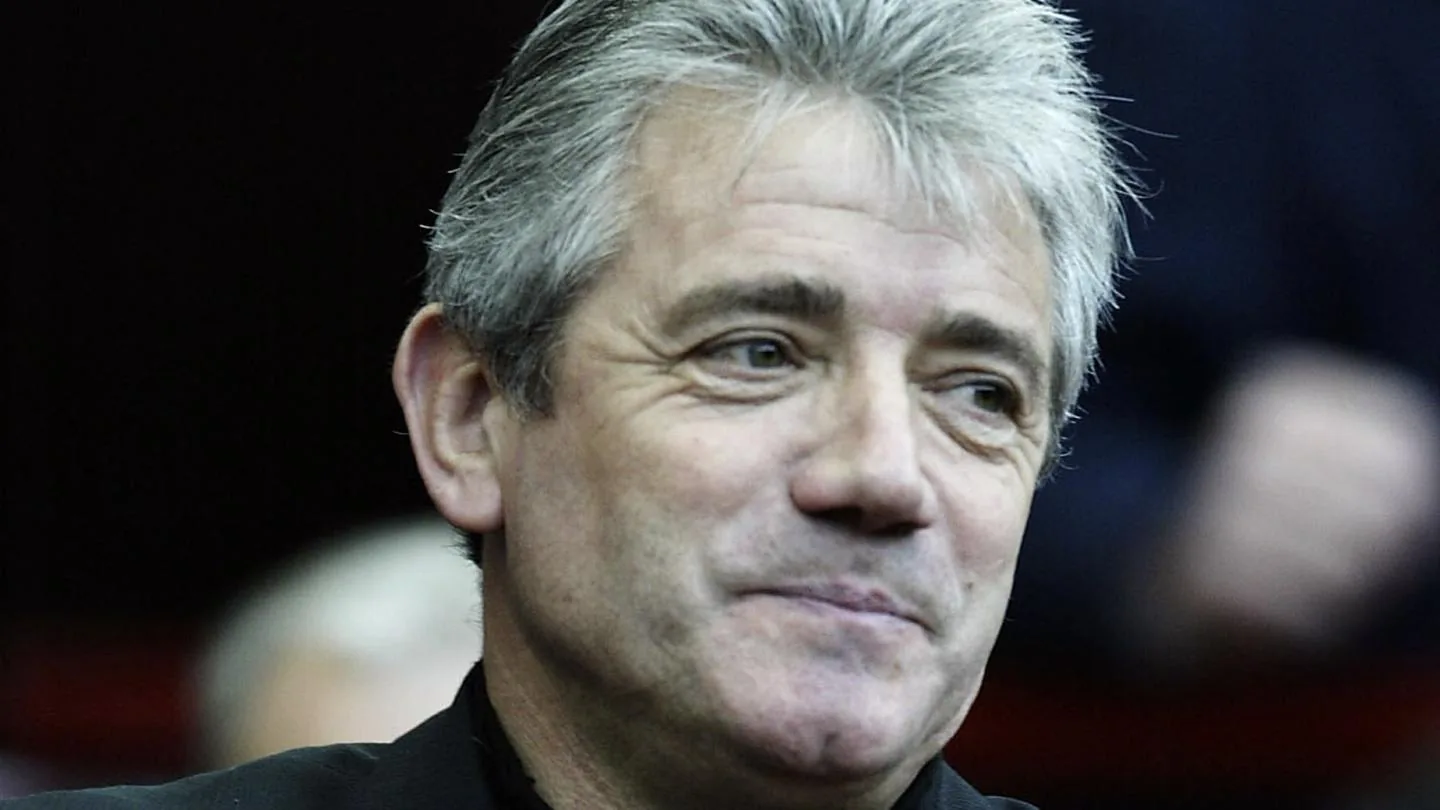
The football community is mourning the loss of Kevin Keegan, who has passed away at the age of 75 after receiving treatment for cancer. Tributes have been shared from across the sport for the former player and manager, who was known for his dynamic playing style and influential managerial career.
Keegan’s career spanned from an apprenticeship at Scunthorpe United to becoming a prominent figure for clubs like Liverpool, Hamburger SV, Southampton, and Newcastle United, as well as representing England. His impact was felt both on the pitch and in the dugout, where he managed Newcastle, Fulham, England, and Manchester City.
A distinguished playing career
Kevin Keegan‘s time at Liverpool was particularly transformative, marked by 100 goals, three league titles, and an FA Cup. He was a key part of the team that secured Liverpool‘s first European trophy, the UEFA Cup in 1973. His final appearance for the club saw him play a significant role in their 3-1 victory over Borussia Mönchengladbach in Rome in 1977, which led to their inaugural European Cup triumph.
After leaving Liverpool, Keegan moved to Hamburg, where he was twice honoured with the Ballon d’Or. His playing career concluded dramatically on 17 May 1984, following a friendly match against Liverpool while he was playing for Newcastle United. A helicopter landed on the pitch at St James’ Park to carry him away, still in his kit, amidst the cheers and tears of 36,000 home fans.
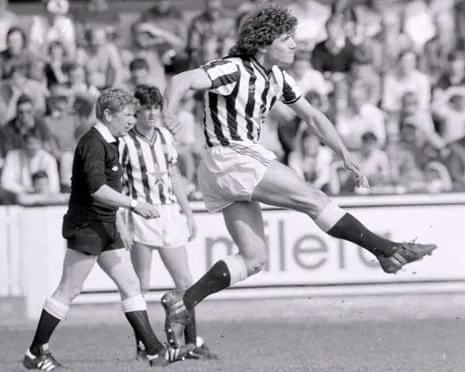
Despite his relatively short stature at 5ft 8in, Keegan was known for his energy, opportunism, and strength as a player. He was realistic about his abilities, once describing himself as “the mongrel who made it to Crufts.” His dedication to training was notable, with senior players reportedly complaining that his intense appetite for it made them look less committed.
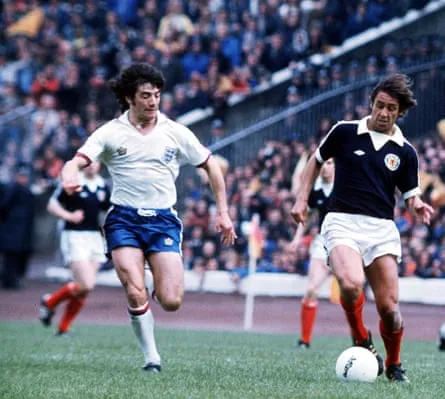
He formed successful partnerships with various forwards throughout his career, including John Toshack at Liverpool, Horst Hrubesch at Hamburg, Mick Channon at Southampton, Peter Beardsley at Newcastle, and Trevor Brooking with England.
Managerial impact and personal moments
As a manager, Keegan was credited with taking Newcastle into Europe for the first time in 20 years. He also achieved promotions that revitalised both Fulham and Manchester City. Sir Kenny Dalglish, who took over from Keegan at Liverpool, praised him as “one of the very best players of his generation” and a “genuine gentleman,” highlighting his ability to bring belief, excitement, and pride back to Newcastle United.
Keegan’s tenure as England manager lasted less than two years and included a failure to progress past the group stage at the Euro 2000 finals. His resignation was famously announced in the dressing room toilets at Wembley Stadium after a 1-0 defeat by Germany, where he admitted to having “come up short.”
Born in Armthorpe, near Doncaster, Keegan was the second of three children. His father, Joe Keegan, a miner, was a fan of Newcastle United and passed on stories of club legends to his son. Keegan’s early education included a nun at St Francis Xavier primary school noting that his “football must be encouraged.”
Money was scarce during his childhood, but family life was described as warm and secure. His first pair of football boots, costing £3, were bought with his father’s winnings from the Grand National. He was initially turned down by Doncaster Rovers before joining Scunthorpe United in 1968 at the age of 16.
During his three seasons at Scunthorpe, Keegan played 124 league games, scoring 18 goals. He met Jean Woodhouse, who he would marry in 1974, in Doncaster in 1970.
Read Also
- Belgian Grand Prix: Russell 'numb to disappointment' after title hopes take another blow
- East Rutherford: Trump lingers on stage during Spain's World Cup celebrations
- New Jersey World Cup final descends into chaos between Argentina and Spain
- Liverpool: Kevin Keegan's instrumental role in Shankly's successful side
Source: theguardian.com