“If it doesn’t happen, I’m blaming JD Vance,”
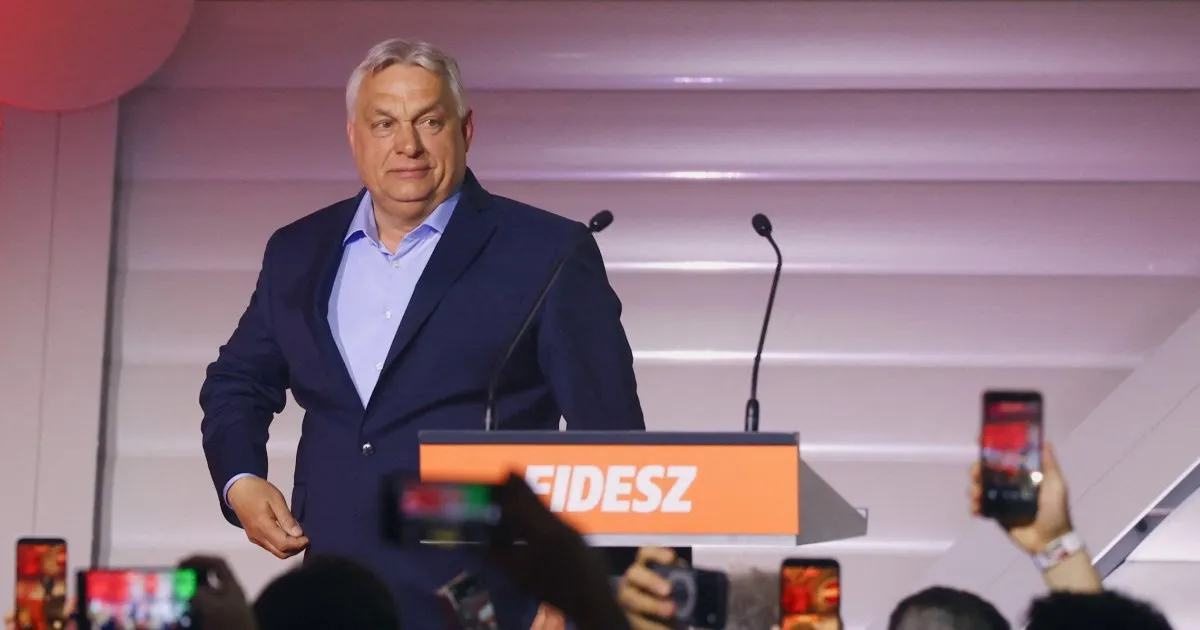
Vance’s visit to Hungary aimed to bolster Viktor Orbán’s campaign, but it ended in disappointment as Orbán lost the election after 16 years in power. The Tisza party, led by Peter Magyar, secured 138 seats in Hungary’s parliament, leaving Vance’s intervention ineffective and raising eyebrows in Washington during a critical time for U.S. foreign relations.
In Islamabad, Vance engaged in 21 hours of negotiations with an Iranian delegation, marking him as the highest-ranking U.S. official to meet with Iran since 1979. However, the talks concluded without an agreement, prompting Trump to threaten a blockade of the Strait of Hormuz, a vital passage for one-fifth of the world’s oil.
Vance’s remarks following the failed negotiations, stating, “We did not reach an agreement, and I think that is much worse news for Iran than for the United States,”
The implications of Vance’s foreign policy failures extend beyond immediate diplomatic relations. His inability to secure a landmark achievement could significantly impact his aspirations for the 2028 presidential run. As he navigates these challenges, the political landscape remains fraught with uncertainty.
As Vance continues to face backlash, observers are keenly watching how these developments will influence his political future and the broader implications for U.S. foreign policy. The urgency of the situation is palpable, with many questioning whether Vance can recover from these setbacks.
In a statement that has drawn both laughter and concern, Vance joked about the potential fallout from the Iran negotiations, suggesting that he is aware of the weight of expectations placed upon him. “JD Vance is on a historic roll,”