The Leeds May Day march has gathered significant attention this year. Prominent speakers include Paul Novak, Jane Aitchison, and Richard Burgon MP. They advocate for workers’ rights against a backdrop of global challenges to public services.
Khady Diaga, a community health worker, emphasized the importance of standing firm. “You can fire me if you want, but I will not stop asking for better pay,” she stated. Diaga’s words resonate with many who face similar struggles in the workforce.
The Leeds May Day march is organized by Leeds TUC in collaboration with Stand Up To Racism. This year’s event reflects the growing concerns over public service funding and its impact on communities.
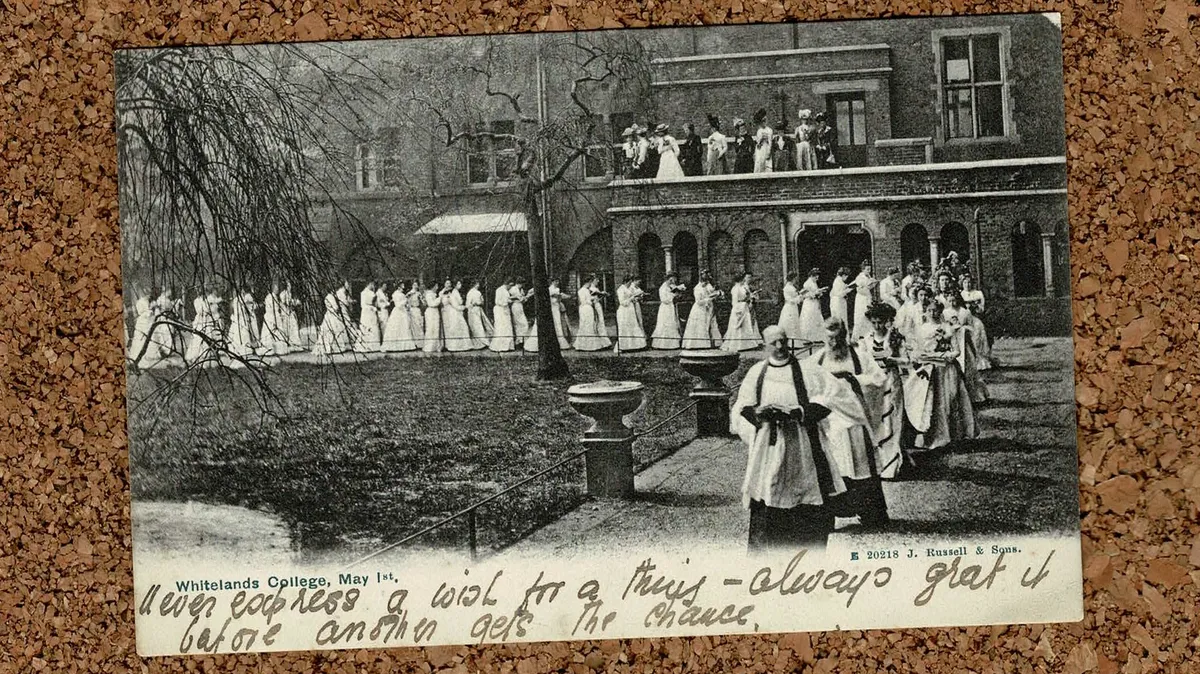
Historically, May Day has roots in Roman and Celtic traditions. In the UK, its popularity surged during the Victorian era, becoming a platform for socialist movements advocating for labor rights.
Key statistics:
- 27,000 community health workers in South Africa fought for integration into the public health workforce.
- 60,000 new members have joined Fórsa since 2018.
- 10,000 new members were recruited by Fórsa in 2024 alone.
- UNISON experienced a net growth of 20,000 members last year.
The upcoming Public Service Fightback conference will take place in Spain this September. It aims to address ongoing issues surrounding public service challenges globally.
The significance of May Day continues to grow as communities rally together. As one speaker noted, “May Day is a vivid reminder that working-class politics is not a spectator sport.” The message resonates strongly as activists prepare for the future.