Challenges in early season performance
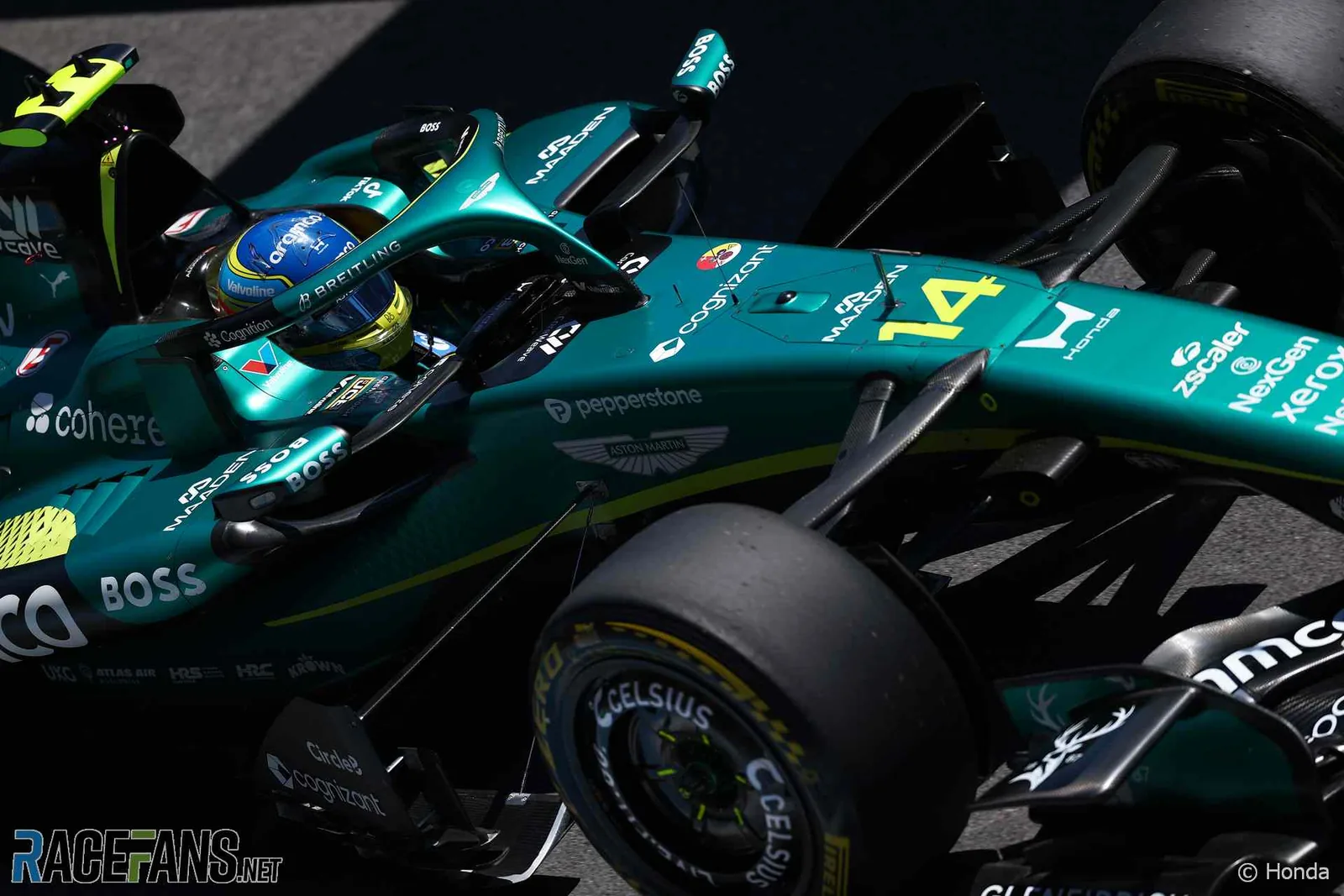
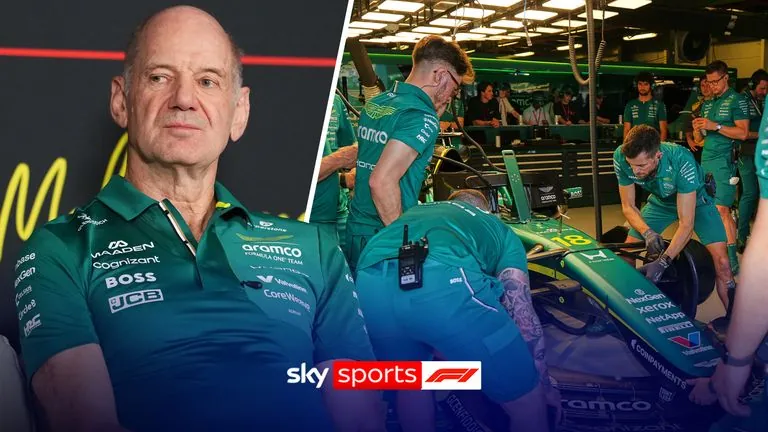
Adrian Newey, the team principal for Aston Martin, has provided insight into the difficulties the team has faced during the 2026 season. The team encountered significant issues early on, particularly with their power unit. During pre-season testing in Bahrain and at the Barcelona Shakedown, Aston Martin experienced limited track time due to these power unit challenges. Newey noted that their first proper running of the season was not until Free Practice Three at the Australian Grand Prix, which he described as a “wake-up call.”
The combination of drivers, Newey, and a Honda-powered engine initially appeared promising, but the team’s early reliability and performance concerns meant they arrived at the season opener with little understanding of their car’s capabilities. This led to a challenging start, with the team often positioned at the back of the grid.
Newey also highlighted that some of the team’s operational systems were outdated, tracing back to the early days of the Jordan team, which first competed in Formula 1 in 1991. These older systems contributed to a “very frustrating car build” where parts were not ordered efficiently, indicating a systemic issue rather than individual performance.
Design and upgrade strategy
The team’s development for the 2026 challenger began later than many rivals, with “serious work” not starting until mid-March 2025. This delay meant that wind tunnel testing for models did not commence until a month later, forcing Newey to design under time constraints. He acknowledged that this rushed design process resulted in the car being overweight and led to a “huge gap to close.”
Aerodynamically, Aston Martin pursued a bold direction, largely driven by Newey, without the opportunity to thoroughly explore multiple concepts. While he does not consider the direction fundamentally wrong, it presented unforeseen challenges. The team also faced issues integrating the power unit and addressing vibration problems with Honda, which contributed to the car’s weight.
In a strategic move, Aston Martin made a “painful decision” not to introduce regular small upgrades since the Miami Grand Prix, unlike many other teams. This approach was taken to focus resources on long-term ambitions and a more substantial upgrade package. Newey explained that this meant the team had been “effectively standing still in relative terms,” making each race weekend feel more difficult.
However, the team has confirmed a significant upgrade package will be introduced at the Hungarian Grand Prix, scheduled for July 24-26. This overhaul includes weight reduction in the chassis and gearbox, requiring re-homologation and crash testing of the forward chassis. The rear suspension will be slightly revised, and a new nose with substantially revised aerodynamic surfaces will be implemented. The goal is to bring the car very close to the weight limit. Aston Martin has also started producing more components, such as the floor and gearbox casing, in-house to gain greater control and flexibility.
Driver performance and team motivation
The team’s on-track difficulties have impacted drivers Fernando Alonso and Lance Stroll. Alonso, a two-time World Champion, has publicly considered his options for the next season, stating his decision will depend on the performance improvement brought by the upcoming upgrades. He previously achieved eight podium finishes with Aston Martin in 2023, but the current season has seen him score a single point in Monaco and experience four retirements, including at his home race in Barcelona.
Stroll has also faced challenges, using the Australian Grand Prix as a test session and recording five DNFs in various races. Newey acknowledged the frustration of both drivers, describing them as “competitive animals” who want to contend at the front of the field. He remains optimistic that if the Hungary upgrade shows “clear, tangible progress,” Alonso will remain with the team for 2027, highlighting his value in guiding development.
Beyond the technical and performance issues, Newey also confirmed he has experienced health problems that affected his work last year. He stated he is “ok now” but described it as a “difficult period” where he had to carefully balance health and work. He praised the team for their support and adaptability during this time, noting that his relationship with the engineers remained strong. The team is highly motivated, with many working late hours at the AMR Technology Campus, determined to prove their capabilities and improve their systems and processes for future success.
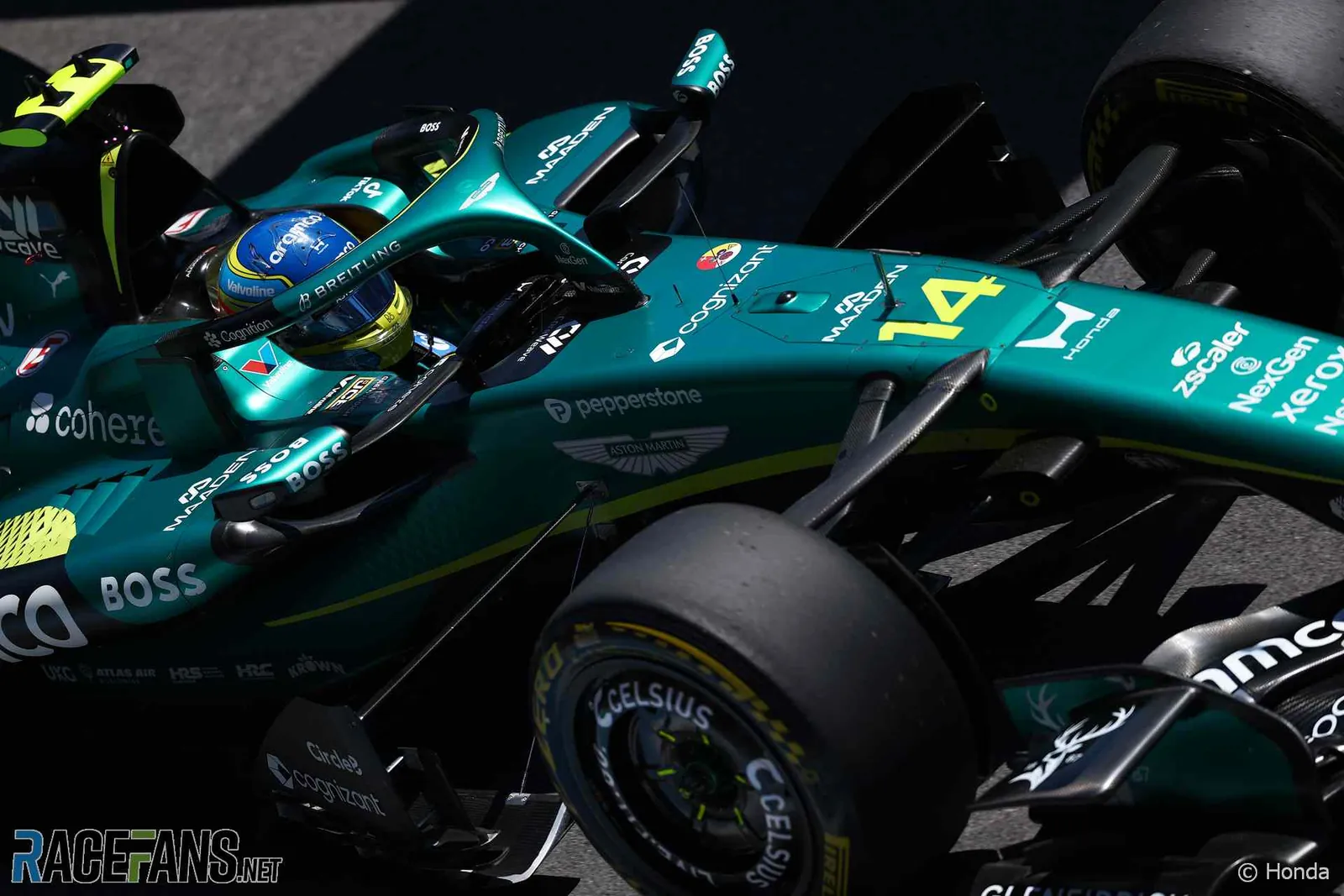
Newey anticipates a significant improvement from the Hungarian Grand Prix upgrades, though he is cautious about providing specific numbers due to the ongoing development of their simulation tools.
Read Also
- New Zealand secures series win over England in Ben Stokes' final match
- Leeds star Ao Tanaka's World Cup ends in tears as Manchester United player offers comfort
- Dutch streets see celebrations and bottle-throwing after Morocco's dramatic win
- Germany faces scrutiny after early World Cup exit, Nagelsmann's future uncertain
Source: formula1.com