Morocco’s victory sparks mixed reactions in the Netherlands
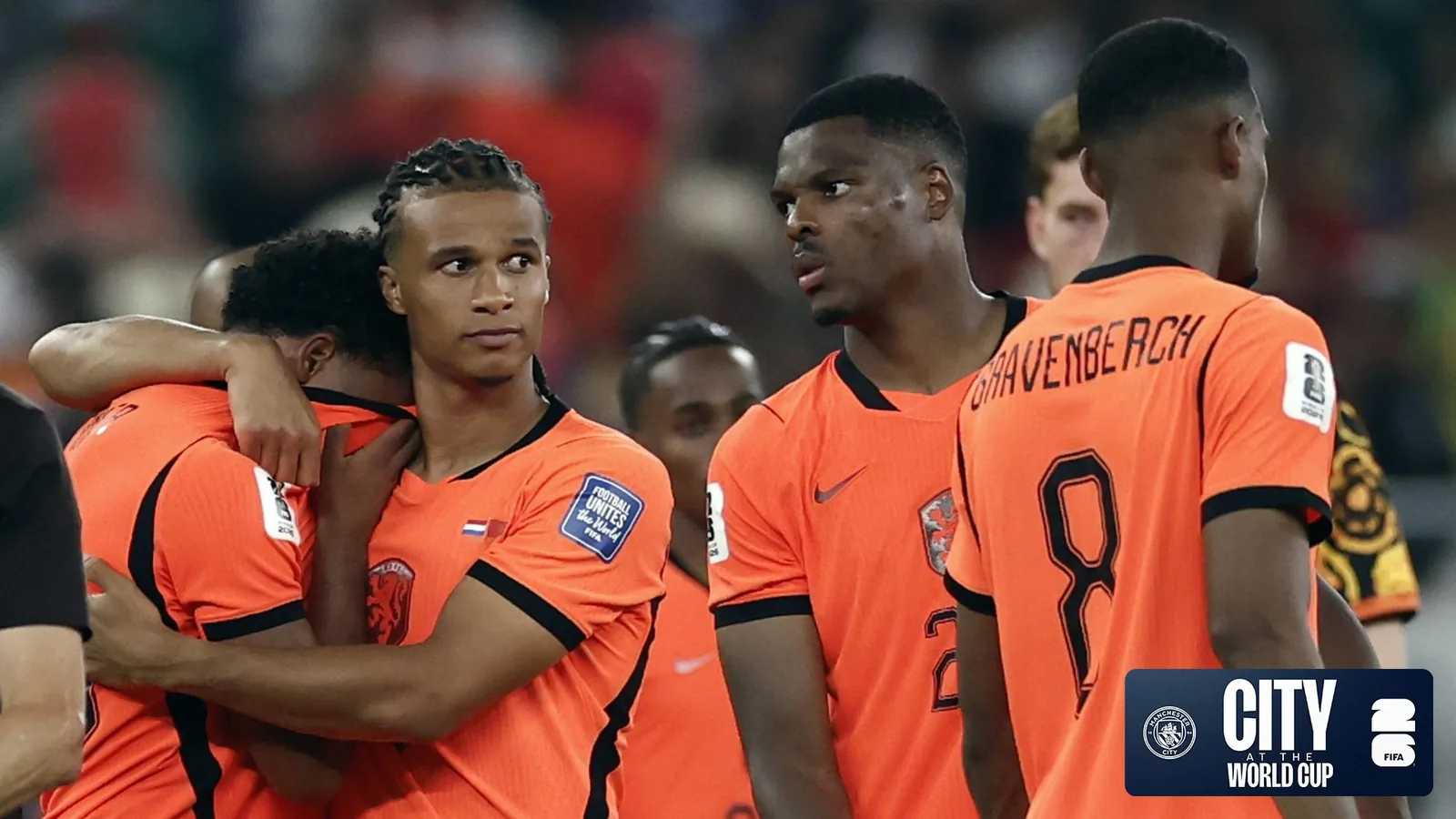
Morocco secured a place in the World Cup last 16 after defeating the Netherlands in a penalty shootout following a 1-1 draw in Monterrey, Mexico. The match concluded with a 3-2 victory for Morocco in the shootout, setting up a last-16 encounter with Canada. The outcome led to widespread celebrations among the Moroccan community in Amsterdam, while in The Hague, the atmosphere turned tense, with reports of bottle-throwing and arrests.
The match was a significant event for the approximately 440,000 people of Moroccan descent residing in the Netherlands. Before the game, many faced questions about their allegiance. While much of this was good-natured, the online discourse was notably different, influenced by political figures.
The game itself saw Cody Gakpo give the Netherlands the lead in the 72nd minute. This goal was met with emotional scenes, as Gakpo had recently experienced a personal loss. However, Issa Diop equalised for Morocco in the 90th minute with a header, sending the match into extra time. Despite Morocco creating the best chance in extra time, with Soufiane Rahimi being denied by a save from Bart Verbruggen, the score remained 1-1, leading to the penalty shootout.

Post-match incidents and community response
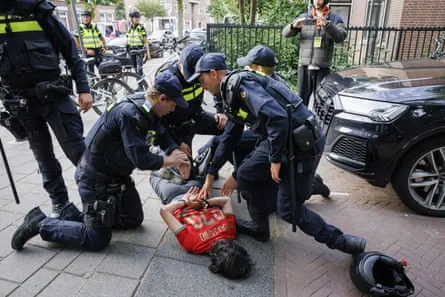
Following Morocco’s victory, the Dutch public broadcaster reported that police in The Hague were targeted with bottles and fireworks. A regional news station indicated that at least 10 individuals, believed to be Morocco fans, were arrested in The Hague after incidents involving the police. Additionally, a newspaper reported four arrests of Morocco fans in Rotterdam, though the reasons were not specified.
In Amsterdam, particularly in areas with a substantial Moroccan population, celebrations were largely peaceful. Car horns sounded across the city as fans waved flags. Dutch fans were observed congratulating their opponents and pledging support for Morocco for the remainder of the tournament. While some areas had previously seen violent outbursts after Morocco games, there were no such incidents reported in Amsterdam on this occasion, with the atmosphere described as one of unbridled joy.
The match also highlighted a broader discussion within the Netherlands regarding identity and loyalty. Several players of Moroccan heritage, including Noussair Mazraoui, Sofyan Amrabat, and Anass Salah-Eddine, chose to represent Morocco, despite being born in the Netherlands. This decision has been a topic of debate, with some commentators questioning their loyalty to their country of birth.

Tactical decisions and future outlook
Netherlands head coach Ronald Koeman’s tactical approach came under scrutiny following the team’s exit. His decision to switch to a back five against Morocco reportedly led to his side surrendering possession, allowing the African team to dominate the game. Despite Gakpo’s goal and Verbruggen’s saves, Koeman’s defensive changes were ultimately unsuccessful.
Koeman addressed questions about his future, stating that it was not the appropriate moment to discuss it, but acknowledged he had thoughts on the matter. Morocco defender Noussair Mazraoui described the win as a significant acknowledgment for his national team, highlighting the challenge of facing a top-ranked opponent.
Morocco, who were semi-finalists in the previous World Cup, demonstrated their strength by being superior to the Netherlands in the match. Ismael Saibari, who was a standout player in the Dutch league last season, converted the decisive spot-kick in the shootout, securing Morocco’s progression to face Canada.
Read Also
- Concerns have been voiced regarding Bukayo Saka’s fitness and his role within the England World Cup squad. Pundits Roy Keane and Gary Neville have questioned the Arsenal forward’s current condition and readiness for the tournament.
- England captain Ben Stokes rules out reversing retirement decision
- New Zealand secures series win over England in Ben Stokes' final match
- Leeds star Ao Tanaka's World Cup ends in tears as Manchester United player offers comfort
Source: theguardian.com