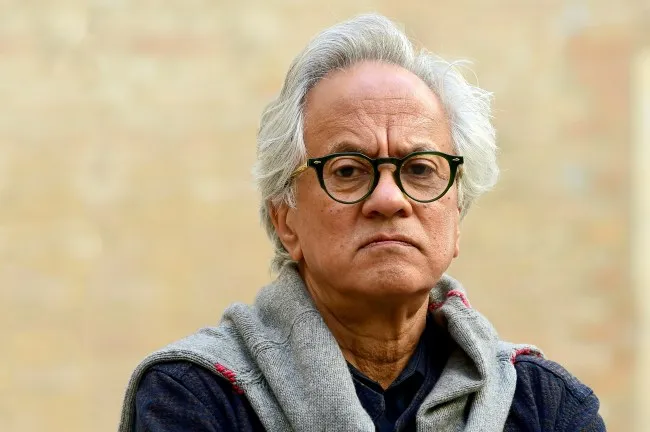
Anish Kapoor has called for the US to be excluded from the Venice Biennale, condemning its ‘abhorrent politics of hate’ and ‘incessant warmongering’. This statement marks a significant intersection of art and political protest.
As of early Tuesday, Kapoor’s remarks come amid growing tensions regarding the participation of Israel and Russia in this year’s event. The international jury of the Venice Biennale has already resigned in protest against these inclusions.
This resignation has delayed the awarding of prizes until November 2026. Observers are questioning how this will affect the overall reception of the Biennale.
Alma Allen represents the US at the Biennale. His selection faced scrutiny due to perceived interference from the Trump administration. His work features 30 sculptures that some critics have labeled controversial.
The US pavilion is not alone in facing backlash. Political tensions also surround both the Israeli and Russian pavilions.
More than 200 participants signed a letter demanding the cancellation of the Israeli pavilion, stating, “We, the undersigned, stand together as artists, curators, and art workers in a collective refusal to allow you to platform the Israeli state as it commits genocide.” This collective action underscores significant opposition within the artistic community.
The Italian ministry of culture confirmed that the Russian pavilion will not be open to the public. This decision reflects ongoing geopolitical tensions.
Additionally, reports indicate that the European Commission plans to terminate or suspend its €2 million grant for the exhibition due to Russia’s involvement.
Kapoor’s history includes opposition to various US presidential regimes. He previously took legal actions against policies from past administrations, including Trump’s.
The situation remains fluid as officials navigate these complex political waters at one of the world’s most prestigious art exhibitions. The next developments may reshape how nations participate in global cultural dialogues.