DR Congo’s World Cup Journey and Historical Context
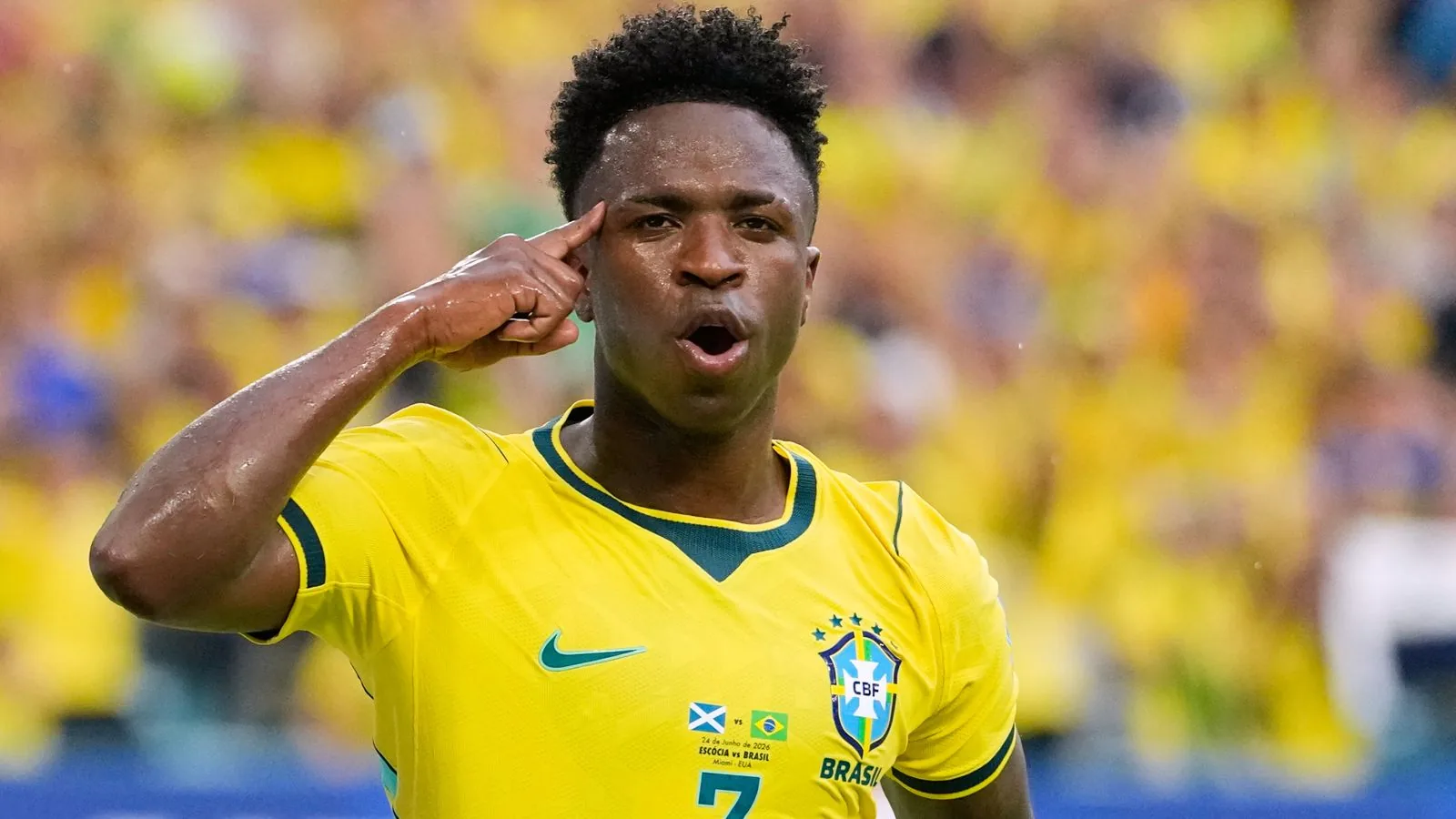
The DR Congo national team, known as the Leopards, is set to face England in the World Cup last 32 on Wednesday. This match marks a significant moment for the nation, coming 52 years after their first World Cup appearance in 1974. Then known as Zaire, the team was the first from sub-Saharan Africa to qualify for the finals. Their 1974 campaign included losses to Scotland and Yugoslavia, and a memorable moment against Brazil when defender Mwepu Ilunga famously ran out of a defensive wall during a free-kick, an act he later revealed was a protest over unpaid allowances.
The year 1974 also saw the capital, Kinshasa, host the historic heavyweight boxing match between Muhammad Ali and George Foreman, known as the ‘Rumble in the Jungle’. Journalist Justin Kabala Mwana, who covered the bout, noted that President Mobutu Sese Seko used the event to elevate his country’s global profile. Kabala views the upcoming match against England as another opportunity for the country to regain unity and dignity, much like the boxing event did.
Following independence from Belgium in 1960, Mobutu seized power in 1965 and renamed the country Zaire. Despite economic challenges, the nation’s footballers achieved continental success, winning the Africa Cup of Nations in 1968 and 1974, and securing three African club titles between 1967 and 1973. President Mobutu supported the 1974 squad, providing houses and cars to players and overseeing their preparations. However, issues arose during the World Cup regarding unpaid allowances, leading to player protests.
The 1974 squad faced significant hardship upon their return, with players like Ilunga and star striker Pierre Ndaye Mulamba experiencing difficult circumstances in later years. The country was renamed DR Congo in 1997 after Mobutu’s rule ended, and it subsequently endured two wars from 1996 to 2003.
Current Team Performance and Tactical Approach
The current DR Congo squad has achieved new milestones in this World Cup, securing their first World Cup goal and point against Portugal, followed by a victory against Uzbekistan to reach the knockout stage. This success comes after a 52-year wait to return to the tournament, having come close in 2018 and 2022. The team has benefited from recruiting players from its diaspora, with only six members of the current squad born in DR Congo.
Under coach Sebastien Desabre, who took charge in 2022, the team has shown consistent selection and strong team spirit. DR Congo is described as a side built to avoid losing, focusing on defence. They have not been beaten by more than one goal during Desabre’s four-year tenure. Their tactical approach involves surrendering possession and inviting opponents onto a resolute defensive block before striking. This style was evident in their match against Portugal, where they earned a point, and against Colombia, despite a late defeat.
The team’s attacking threat should not be underestimated. Yoane Wissa has scored three goals in the competition, including a double against Uzbekistan. While Cedric Bakambu has been a regular starter, Desabre’s adaptability was demonstrated against Uzbekistan with the introduction of Fiston Mayele, who was named the men’s Interclub African Player of the Year earlier this season. The coach also made tactical adjustments, switching to a flat back four and introducing wingers Nathan Mbuku and Brian Cipenga, which proved effective.
Connections to English Football and Future Outlook
The upcoming match against England carries additional significance due to strong links between the two nations, particularly through players who have developed their careers in England. Players like Axel Tuanzebe, born in Bunia, Congo, moved to Rochdale at a young age and received his footballing education at Manchester United, even representing England at youth level. Aaron Wan-Bissaka, another former Manchester United player, was born and raised in south London and was included in an England squad in 2019. Other players with ties include Aaron Tshibola, Arthur Masuaku, and Noah Sadiki. Ezri Konsa of the England squad also has DR Congo heritage.
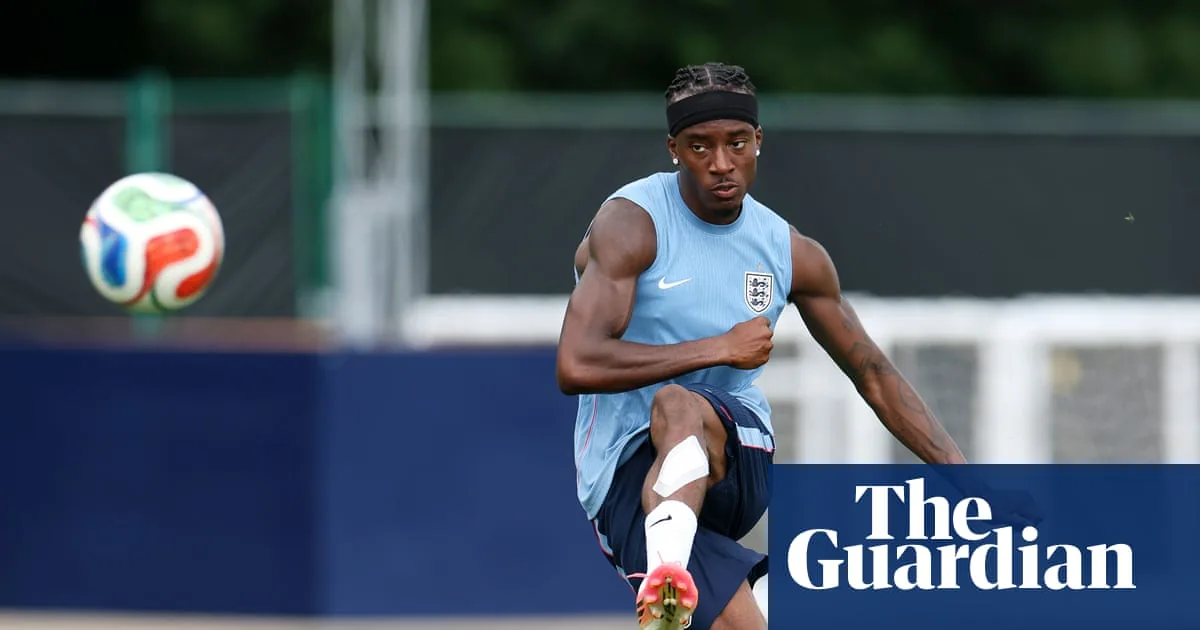
Noni Madueke of England has acknowledged the challenge posed by DR Congo, stating that no opponent at this stage of the World Cup should be taken lightly. He anticipates a difficult game, similar to England’s encounter with Ghana, where breaking down a defensive setup proved challenging. Madueke emphasized the importance of maintaining composure, especially if the game were to go to penalties. The current World Cup campaign marks DR Congo’s most successful period in a generation, bringing renewed attention to African football’s sleeping giant.
There is optimism that new leadership within the football federation, elected in May, can build on this World Cup qualification and help revive the domestic league. The conditions for the current players are considerably better than those experienced by the 1974 squad.
Read Also
- Germany faces scrutiny after early World Cup exit, Nagelsmann's future uncertain
- Aston Martin team principal Adrian Newey discusses health issues and car development challenges
- Tottenham agree £85m deal for West Ham's Mateus Fernandes
- France secures victory over Sweden in World Cup Round of 32 clash
Source: bbc.com