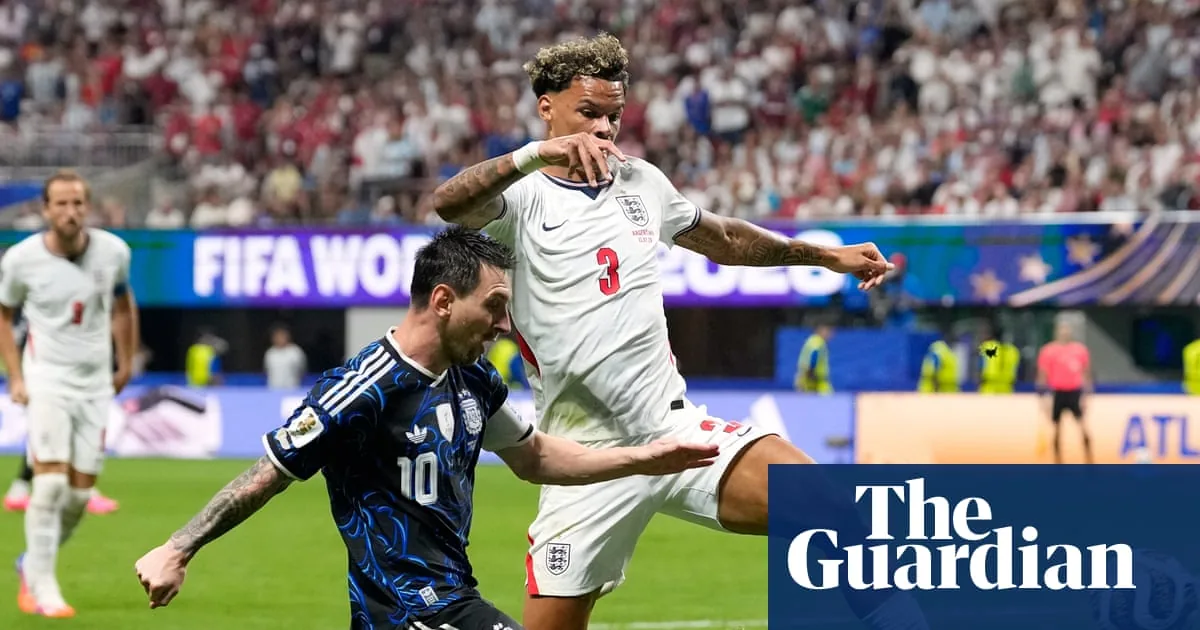
Squad discussions follow Argentina defeat
Following England‘s 2-1 loss to Argentina in the World Cup 2026 semi-final, discussions have emerged within Thomas Tuchel‘s squad regarding the team’s tactical approach in the latter stages of the match. Several sources indicate that some key players expressed disappointment with how the team managed the final moments of the game.
England had been leading 1-0 with approximately 35 minutes remaining, seemingly on track for their first men’s World Cup final since 1966. However, the momentum shifted significantly, with Argentina taking the initiative. Tuchel had opted for a back-five defensive setup to protect the lead, a strategy that ultimately saw Argentina overturn the scoreline amid sustained pressure.
Wayne Rooney, a pundit, attributed the defeat to decisions made by the manager. Immediately after the match in Atlanta, players met with their families, and it is understood that there was a shared sentiment that the team’s setup after taking the lead contributed to their eventual loss. At least three senior players have privately voiced concerns about the team’s strategy during the closing stages.
While acknowledging that ceding ground defensively is a natural instinct for players, some within the squad believe that Tuchel’s tactical changes and substitutions intensified the defensive retreat. There is a feeling among certain players that the team could have been bolder, striking a balance between absorbing Argentine pressure and maintaining an attacking threat to provide relief for the defenders.
One source commented that the team “went too deep too early.” While disagreements between players and managers are not uncommon, the consternation among some players regarding England’s instructions for finishing the game raises questions about the player-manager dynamic as the team looks towards the European Championship qualifying campaign.
Tuchel addresses tactical approach
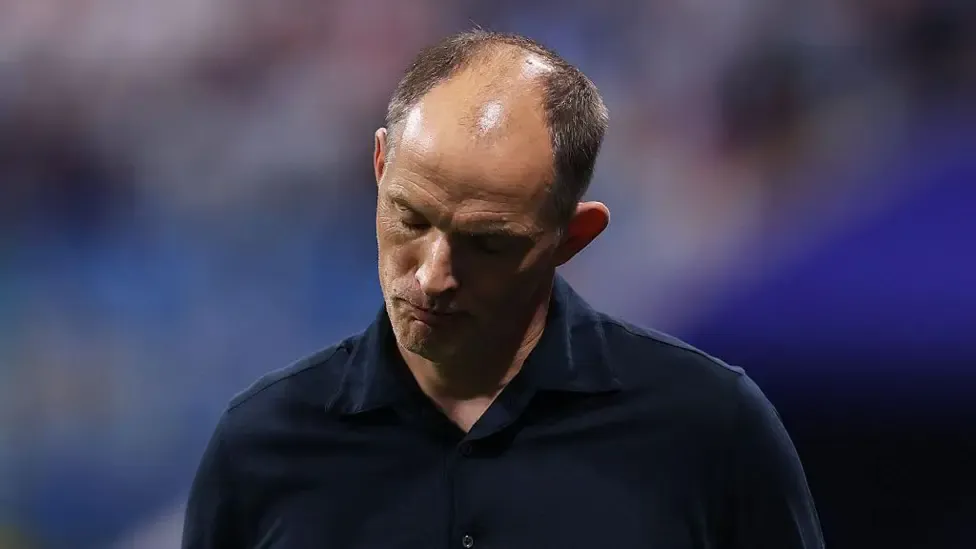
In recent comments, Tuchel addressed the tactical decisions, stating that it was “never the plan” for the team to drop deeper. He explained, “I haven’t seen the data yet but I think right after the goal, the momentum swings completely in ball possession, chances and it drops dramatically.”
Tuchel clarified that his intention with the back-five was not to become more passive but to encourage activity, such as pressing wingers and preventing gaps in the defence. He noted, “We encouraged everyone to step out, to be more active within the structure, but we just struggled.”
He further added, “We couldn’t find any duels any more which was why we dropped deeper and deeper, which was never the plan but it happened.” Tuchel emphasised the importance of ball possession, suggesting that controlling the game with the ball might not be inherent in England’s playing style, unlike some other nations. He expressed belief in the players’ abilities, stating, “I still think we can show how good football players we are. I think that is still in us, as I see it in training and in every camp.”
Tuchel was appointed with the expectation that he would guide England to success, building on Gareth Southgate‘s achievements of reaching a World Cup semi-final and two European Championship finals. His tactical acumen was seen as the key to transforming England into winners. However, the perception among some players that his strategy was flawed in Atlanta could influence the team’s dynamic moving forward.
Messi’s decisive influence
Before the match against Argentina, Tuchel had meticulously prepared for various scenarios, including how to manage Lionel Messi. For the initial hour of the game, Messi’s involvement in dangerous areas was limited, with data indicating England’s success in restricting his influence. His only possession in the centre of the penalty area was thwarted by an Elliot Anderson tackle shortly after Anthony Gordon had scored England’s goal. Messi’s sprinting speed percentage was lower than in previous rounds, and his only shot was from long range and blocked before reaching the England box.
Messi’s heat map showed his usual activity in the right half-space in front of the opposition’s penalty area, a predictable zone that England could plan for. However, subtle shifts occurred as the match progressed. In the second half, Messi began to operate more from the flank between the edge of the penalty box and the touchline, attempting six open-play crosses from this region. This was a significantly higher number than his average across league football since 2015.
One of Messi’s wide deliveries led to a header from Nico González, which Jordan Pickford saved. This moment may have influenced Tuchel’s decision to introduce Ezri Konsa and later Dan Burn, switching to a back five. While a similar strategy had worked against Mexico, Messi’s crossing ability proved to be a different challenge. His cross for Lautaro Martínez‘s winning goal generated a high expected goals (xG) value, surpassing England’s total for the entire match. This was only Messi’s second World Cup assist with his right foot, highlighting the unusual nature of his impact in a game that was statistically atypical for him.
Despite the defeat, Football Association chief executive Mark Bullingham continues to fully support Tuchel. The FA will review England’s performance at the tournament once the team returns home after their bronze medal match against France on Saturday.
Read Also
- Stockport coroner links Nobby Stiles' death to brain condition from heading footballs
- Argentina players display Falklands banner after World Cup semi-final victory over England
- England head coach Thomas Tuchel retains FA backing despite World Cup semi-final defeat
- Fifa 'assessing reports' after Argentina players display Falklands banner
Source: bbc.com