Coroner’s Ruling on Stiles’ Death
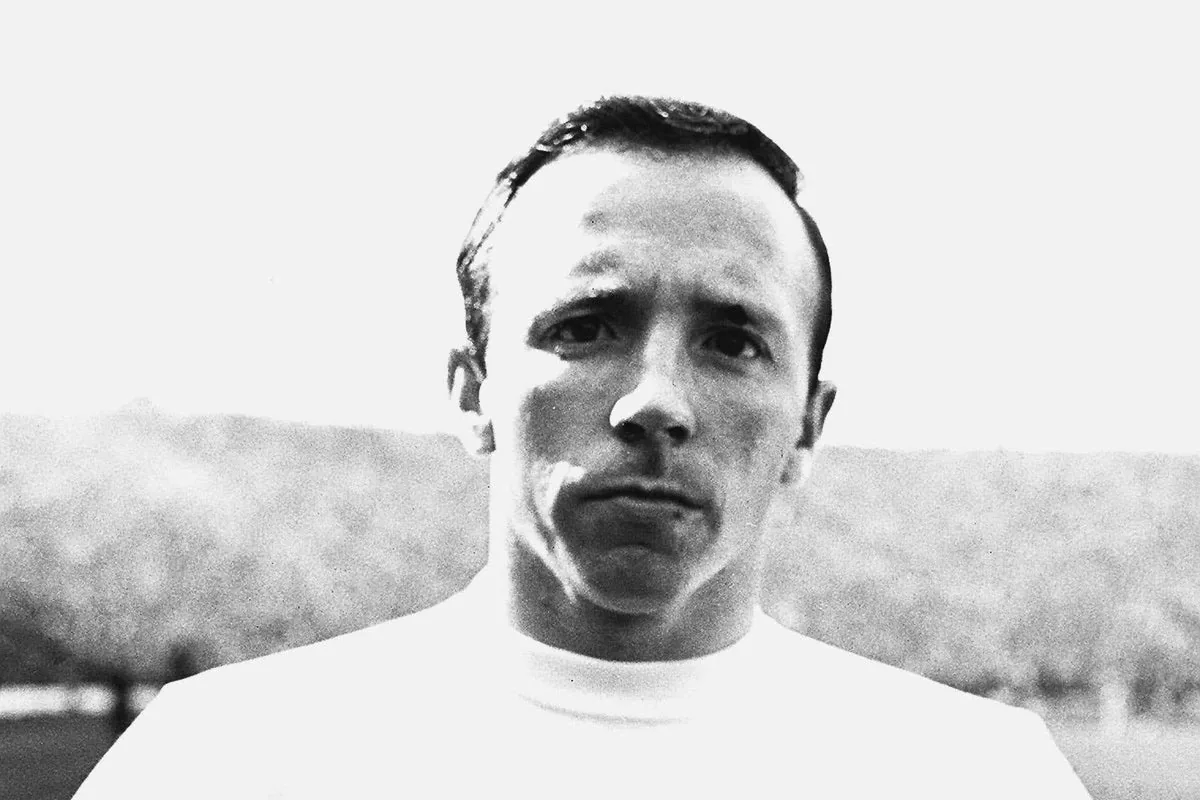
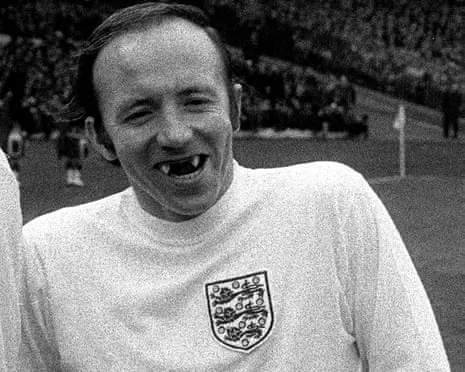
A coroner has determined that Nobby Stiles, the former England footballer and World Cup winner, died from a brain condition that was caused by repeatedly heading a football. Stiles, who was a tenacious midfielder, passed away in 2020 at the age of 78. His death was not initially reported to the coroner’s office by authorities, leading his family to advocate for a comprehensive investigation.
On Wednesday in Stockport, senior coroner for South Manchester, Alison Mutch, concluded that a brain condition, specifically chronic traumatic encephalopathy (CTE), contributed to Stiles’ death. This condition has been linked to head trauma resulting from heading a football.
During the inquest, it was heard that Stiles, who also played for Manchester United, headed a football an estimated 140,000 times throughout his career. Dr Daniel Du Plessis, a neuropathology expert, testified that he was convinced the repeated heading of the football caused Stiles’ CTE. When asked by Ms Mutch if repeated heading was the cause of his CTE, Dr Du Plessis confirmed, “Yes.”
Family’s Campaign and Impact of CTE
Stiles’ son, John Stiles, has previously stated that football “killed” his father. He leads the Football Families for Justice (FFJ) group, which advocates for greater support for former players suffering from injuries attributed to their playing days. John Stiles recounted that his father was a humble man who prioritised his family above his football achievements. He noted that his father never bragged about being a World Cup winner, and that the family was always more proud of the father he was than the footballer.
The inquest also heard details about the footballs used during Stiles’ playing era. John Stiles explained that these footballs weighed approximately 16 ounces and would become heavier when wet. He estimated his father headed the ball around 40 times a day, five days a week, over a 17-year career, leading to a conservative estimate of 136,000 headers in total.
Stiles’ severe dementia was diagnosed as a result of both Alzheimer’s disease and CTE. Towards the end of his life, he experienced increasing anxiety and a sense of dread, and had to sell his World Cup winner’s medals in 2010 to fund his care as his mental struggles progressed.

Wider Implications and Ongoing Legal Actions
The ruling on Stiles’ death comes amidst broader concerns within the football community regarding brain injuries. Dozens of former footballers and their families, including the Stiles family, are currently pursuing legal action against the Football Association, the Football Association of Wales, and the English Football League. These legal claims allege negligence and a breach of duty of care towards former players.
Lawyers representing the claimants argue that football bodies were aware, or should have been aware, for decades that repeated heading of a ball in training and matches was likely to cause brain injuries. However, lawyers for the FA stated in March that it has “not been established by science” that heading a ball or “occasional” concussion leads to permanent brain damage.
This inquest follows a similar finding in January regarding the death of former Scotland, Manchester United, and Leeds defender Gordon McQueen. The inquest into McQueen’s death, at the age of 70, also concluded that heading the ball was likely a contributing factor to a brain injury that played a role in his passing. McQueen was also diagnosed with CTE. The FA, in collaboration with the Professional Footballers’ Association, co-funded a 2019 study which indicated that footballers were three-and-a-half times more likely to die of neurodegenerative disease than age-matched members of the general population. The FA is phasing out all heading in youth football up to under-11s by 2026.
Read Also
Source: theguardian.com