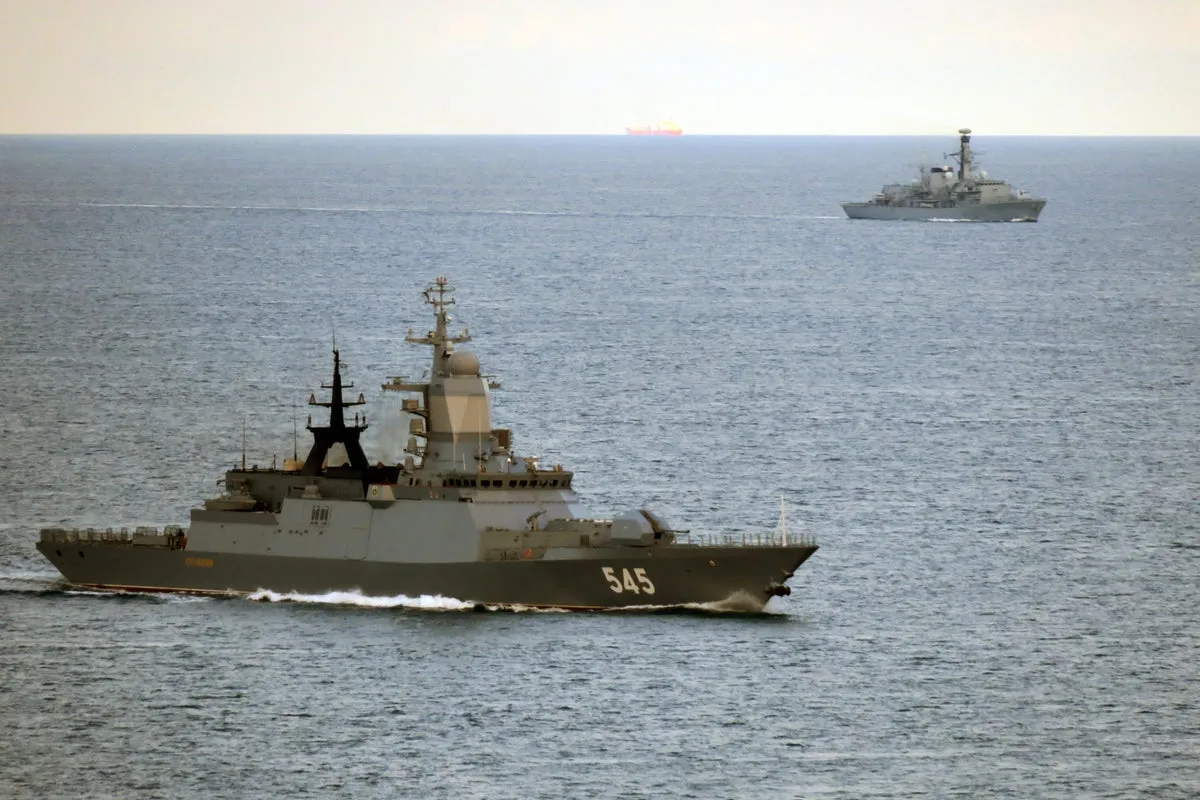
The HMS Iron Duke has been effectively withdrawn from active service, leaving the Royal Navy with just five operational frigates. This situation raises significant concerns about the fleet’s sustainability and operational readiness.
As of early Tuesday, HMS Iron Duke has not been operational at sea since October 2025. The Type 23 warship was stripped of its weapons and sensors, further complicating its status.
In total, the HMS Iron Duke underwent a complex refit that cost £103 million and took 49 months to complete. Despite these efforts, the Ministry of Defence canceled the planned conversion project for the ship.
HMS Iron Duke was laid up in Portsmouth since 2017 before her extensive refit. The decommissioning of HMS Richmond this year adds to the pressures faced by the Royal Navy.
The remaining frigates must now sustain operations in the Atlantic amid rising demands. The Royal Navy expects Type 26 and Type 31 frigates to join the fleet before 2030 to help address this capability gap.
Officials have not disclosed the exact reasons behind HMS Iron Duke’s withdrawal from service, including any potential undisclosed defects. Luke Pollard commented on the situation, stating that given the platform’s remaining service life and competing operational priorities, continuing with its conversion did not justify the costs.
The financial implications are significant. HMS Iron Duke’s life extension cost approximately £6.4 million per operational month during its last years in service. This raises questions about future investments in naval capabilities.
The widening frigate capability gap appears to be getting longer and deeper than even previous pessimistic forecasts suggested. As NATO operations continue to demand more from member nations, the Royal Navy will need to adapt quickly.