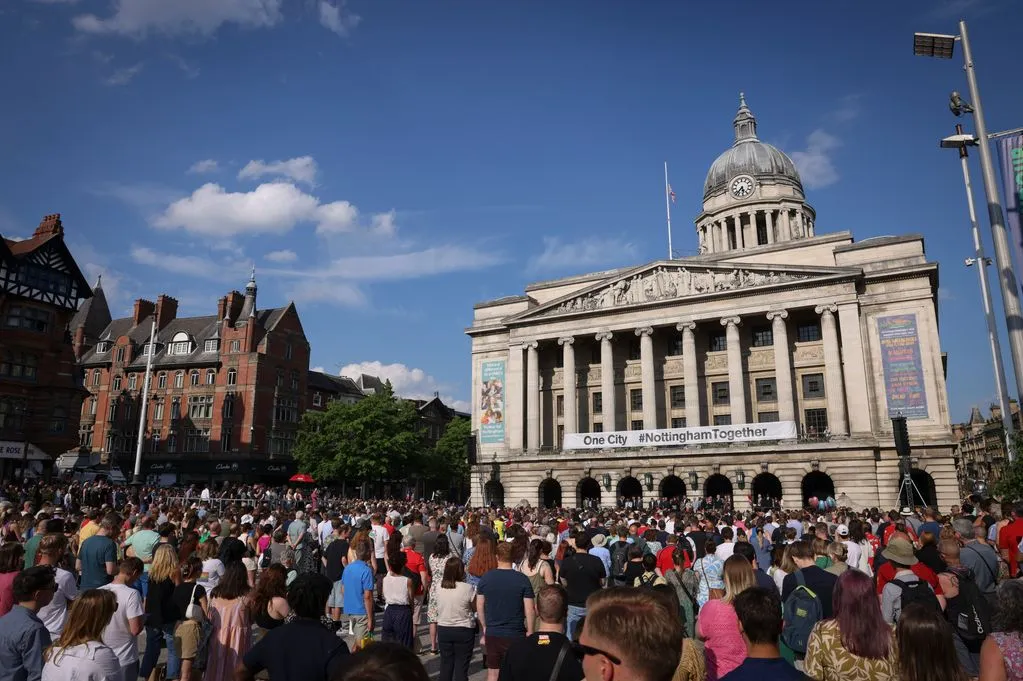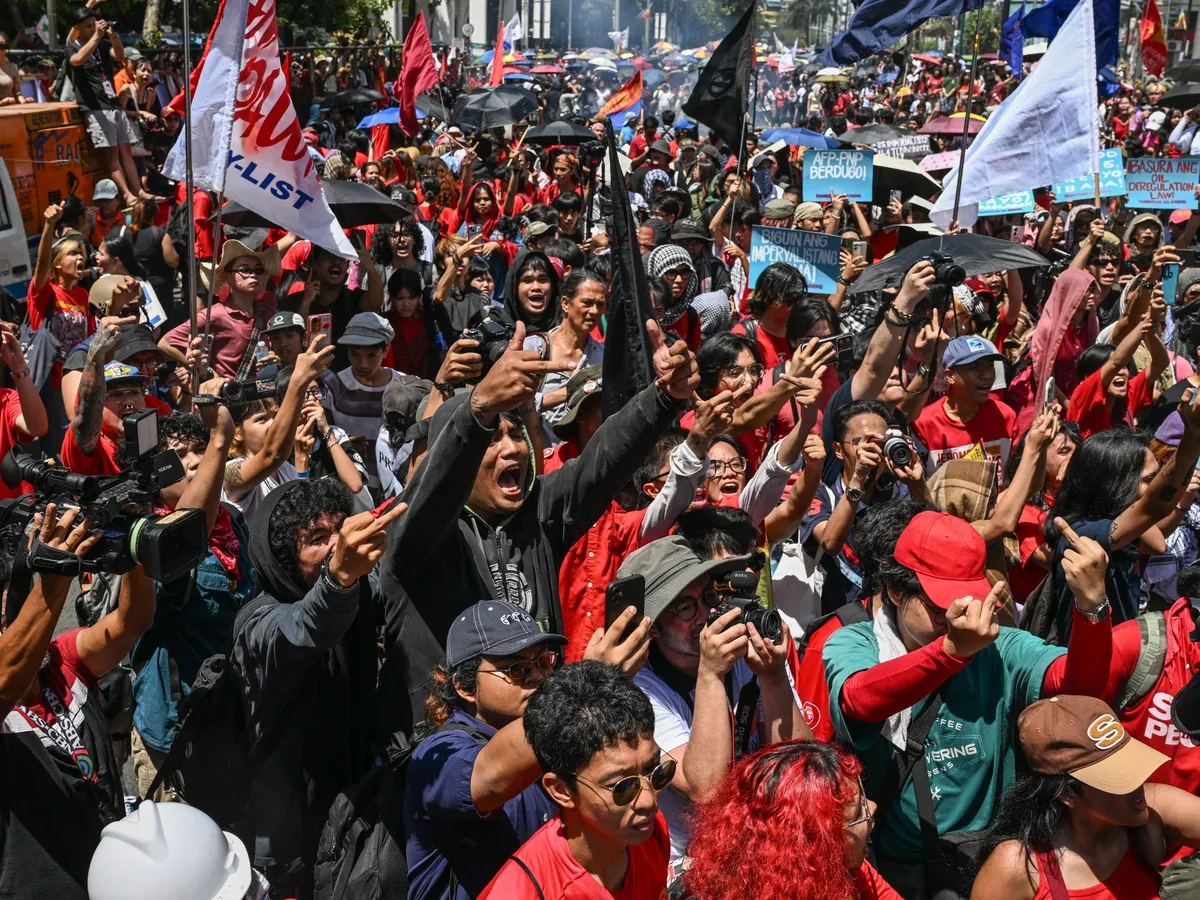
Labour Day marches are being held globally as workers gather for International Labour Day. Protests focus on rising energy prices and calls for solidarity among workers. Trade unions emphasize the need to protect workers’ rights amidst these challenges.
Early Tuesday, protests erupted in various countries. In Argentina, thousands protested against President Javier Milei’s overhaul of labour protections. In Gaza, however, Palestinian workers cancelled May Day events due to the ongoing economic crisis caused by conflict.
The European Trade Union Confederation reported that 93 trade union organizations participated in demonstrations across Europe. They stated, “Working people refuse to pay the price for Donald Trump’s war in the Middle East.” Meanwhile, 550,000 workers in Gaza and the West Bank currently have no income.
These events come at a time when many fear a global recession. Josua Mata from the Philippines noted, “Every Filipino worker now is aware that the situation here is deeply connected to the global crisis.” Renato Reyes echoed this sentiment, stating there will be a louder call for higher wages due to unprecedented spikes in fuel prices.
International Workers’ Day has deep historical roots, proclaimed at the International Workers Congress in Paris in 1889. The Second International declared May 1 as a day of solidarity among workers worldwide. The Haymarket Affair in 1886 significantly shaped this movement.
In North East England, the Durham Miners’ Gala celebrates workers’ struggles and serves as an important event on Labour Day. This year’s gatherings reflect a growing discontent with current economic policies and increasing living costs.
As protests continue throughout the day, officials have not confirmed if further actions or statements will be made regarding these demonstrations. The international labour movement remains vigilant as it seeks to address ongoing challenges faced by workers everywhere.