Mayo has secured the Sam Maguire Cup, ending a wait for an All-Ireland Senior Football Championship title. The victory on Sunday, 26 July, marked the county’s win and sparked celebrations that extended far beyond Ireland, drawing attention from international figures.
The win comes after Mayo had not won an All-Ireland title since 1951, despite reaching the final eleven times in the intervening years. This long period without a championship was often attributed to a ‘curse’ said to have been placed on the team.
International attention and the ‘Mayo curse’
The All-Ireland Football Final, which awards the Sam Maguire Cup, is a significant event in the Irish sporting calendar. This year’s final, featuring Mayo against reigning champions Kerry, garnered international attention, with heads of state and commentators from outside Ireland engaging with the match.
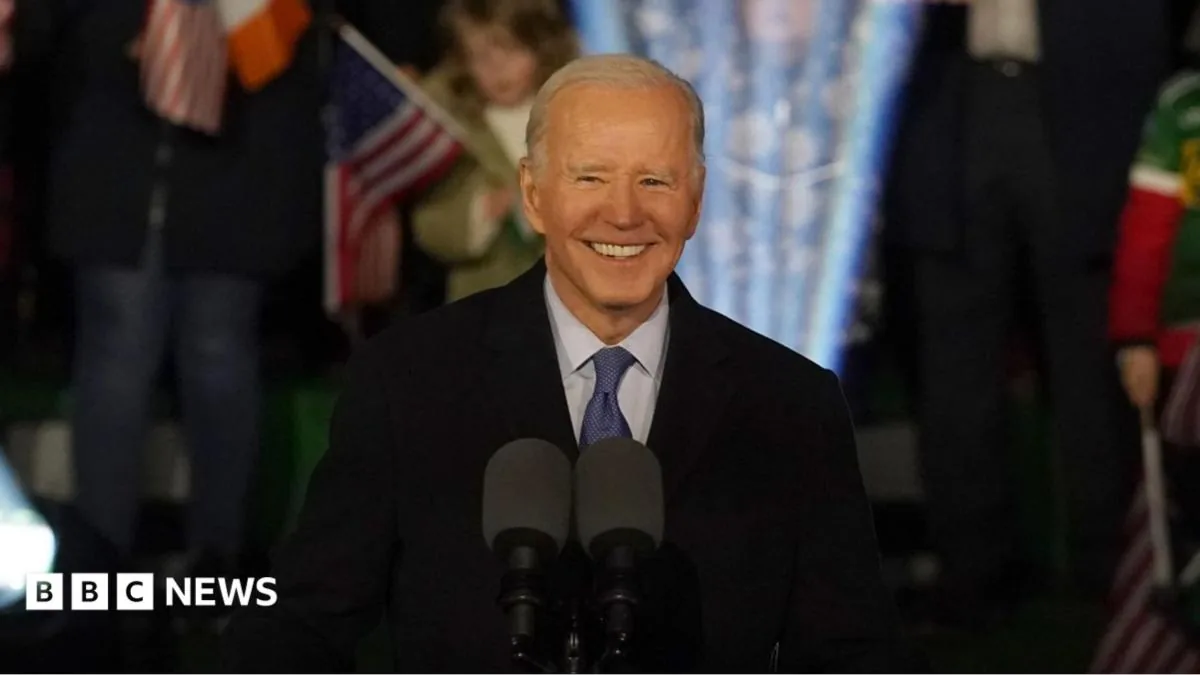
Among those celebrating Mayo‘s victory was former US President Joe Biden, who has strong Irish roots. He took to social media to congratulate the team, repeating the chant, “Mayo for Sam!” Canadian Prime Minister Mark Carney also expressed pride in his roots in County Mayo following the win. Additionally, Oasis frontmen Liam and Noel Gallagher, whose mother’s family hails from Mayo, celebrated the success on social media.
The ‘Mayo curse’ story originates from 1951, following Mayo‘s last win. The team’s boisterous celebrations on an open-top lorry are said to have interrupted a funeral procession in Foxford. The priest leading the funeral is reported to have cursed the team, stating that Mayo would not win another All-Ireland while any member of that 1951 team was alive. The last member of the 1951 panel passed away prior to the recent victory.
Despite the widespread belief in the curse, some reports suggest there is no contemporary evidence or parish records to support the incident. Sean McAndrew, whose father John played for the 1950 and 1951 winning Mayo teams, mentioned that his father could not recall the supposed funeral incident and that talk of a curse only became prominent later when the team struggled to progress.
The appeal of Gaelic games
The global interest in Gaelic games, including Gaelic football and hurling, has been growing. These sports are unique to Ireland, played at an amateur level, and are known for their fast pace and physicality. Commentators have drawn comparisons between Gaelic football and soccer, noting the speed, intensity, and high-scoring nature of matches like the Mayo–Kerry showdown.
A notable aspect of Gaelic games is their resistance to commercialisation; the athletes are not paid, and the sports maintain a strong connection to local communities. The Gaelic Athletic Association (GAA), a 141-year-old organisation, administers these sports, which are a central part of Ireland’s cultural identity. The appeal for international audiences may stem from the contrast with more commercialised global sports, offering a sense of authenticity and intense rivalries.
The recent victory was particularly meaningful for many, including those in the large emigrant population from Mayo who maintain a strong connection to home through the GAA. Kevin Kilbane, a former footballer for the Republic of Ireland, highlighted the deep love for Mayo GAA passed down through generations, noting that many had lived their entire lives without seeing an All-Ireland win for their county.
The final match itself, held at a packed Croke Park in Dublin, saw Mayo overcome a slow start. A late score from Tommy Conroy secured the win in front of a sold-out crowd of 82,300. Among the players celebrating were brothers Kobe McDonald and Jordan Flynn. McDonald, who made his senior debut for Mayo in February, expressed the surreal feeling of giving the fans something significant to celebrate.
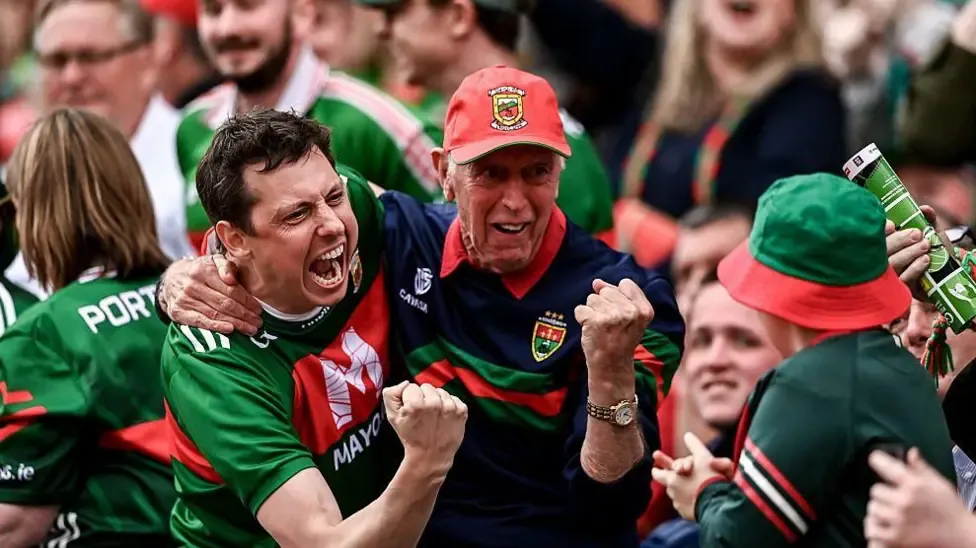
The long wait for Mayo fans has concluded, with celebrations now underway for the county’s All-Ireland title.
Read Also
Source: newstatesman.com