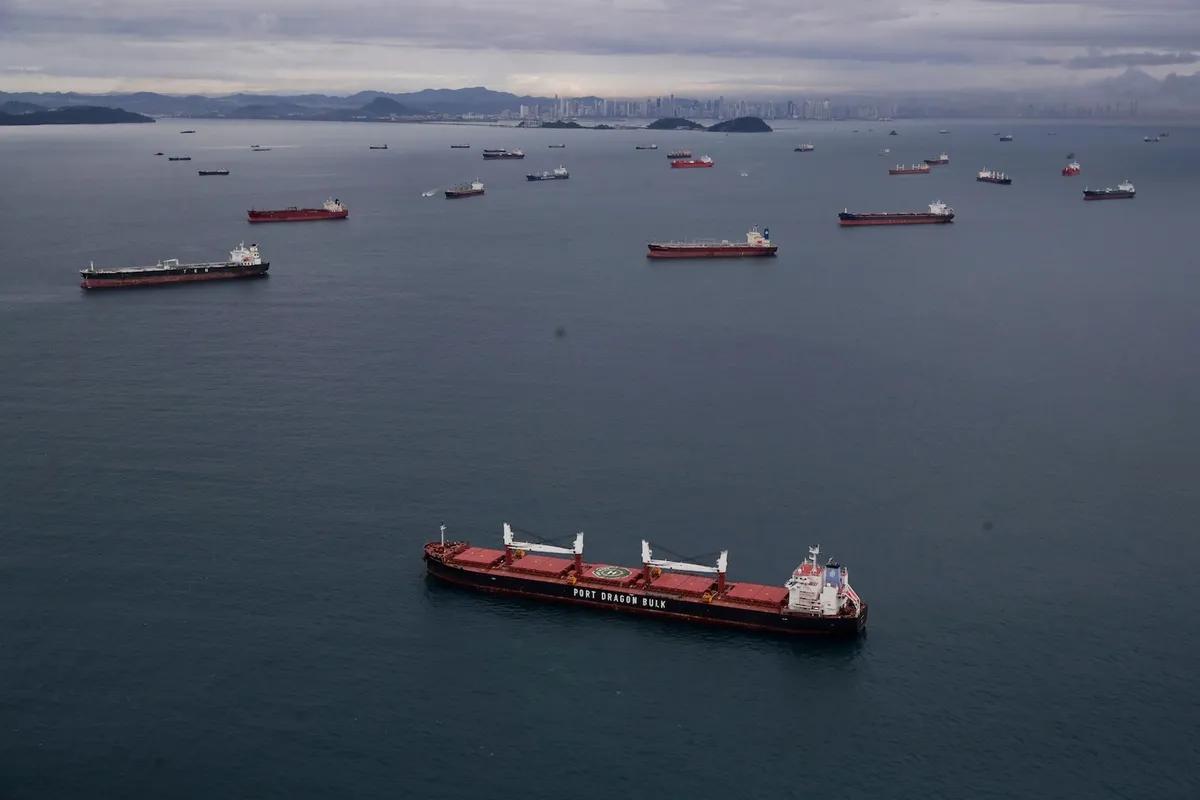
The Panama Canal has become a geopolitical flashpoint between the United States and China, significantly impacting global trade dynamics. This escalation follows accusations from the US that China detained Panama-flagged vessels, which China has denied.
In January 2026, Panama’s Supreme Court annulled contracts that allowed CK Hutchison Holdings to operate key ports. This decision has heightened tensions as the US and several Latin American countries condemned China’s actions regarding these vessels.
The situation has led to a notable increase in maritime activity. The average number of daily transits through the Panama Canal rose from 34 in January to 37 by March 2026. Some vessels have even paid up to USD 4 million to bypass queues at the canal.
In March alone, nearly 70 Panama-flagged ships were reportedly detained in Chinese ports—this number exceeds historical norms. The Panama Canal is crucial for about six percent of global trade, making this dispute particularly significant.
Key statements:
- Marco Rubio stated, “Panama is a pillar of our maritime trading system, and as such must remain free from any undue external pressure.”
- Lin Jian remarked, “The one who has politicised and securitised the issue of ports is the United States.”
- Laura DiBella emphasized that actions against Panama-flagged ships could lead to significant consequences for US shipping.
The geopolitical tensions surrounding the Panama Canal continue to evolve. Officials have not confirmed any further actions or resolutions as of midday today. The next developments are anticipated as this situation unfolds further.