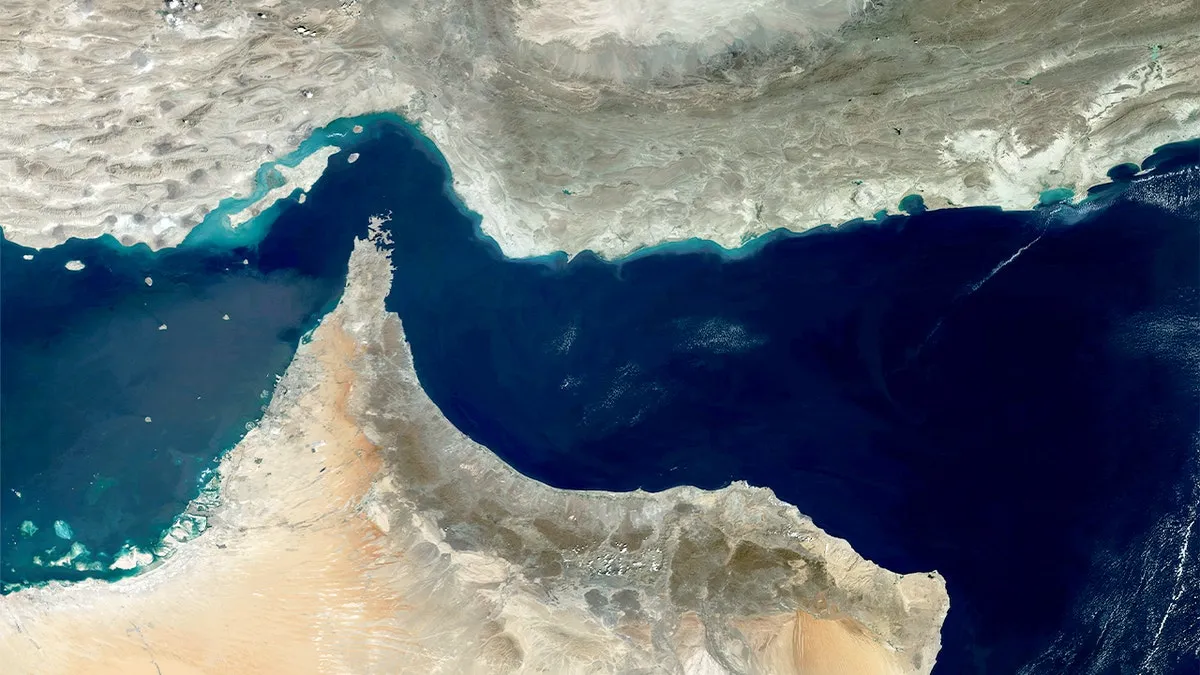
In a dramatic escalation of tensions, President Donald Trump announced that the United States will begin blockading the Strait of Hormuz, a critical waterway for global oil shipments, following the collapse of peace negotiations with Iran. The blockade is set to commence on Monday at 10 AM ET (2 PM GMT), with the US Navy tasked to interdict vessels that have paid tolls to Iran since the onset of the conflict.
Trump stated, “Effective immediately, the United States Navy, the Finest in the World, will begin the process of BLOCKADING any and all Ships trying to enter, or leave, the Strait of Hormuz.” This aggressive move aims to control the strategic waterway and prevent Iran from imposing tolls on tankers, which has been a contentious issue amid ongoing hostilities.
As a result of the announcement, oil prices have surged, with US crude oil rising 8% to $104.24 a barrel and Brent crude increasing by 7% to $102.29. The blockade comes after 21 hours of tense negotiations between the US and Iran, which ultimately failed to yield a ceasefire agreement. Traffic through the Strait of Hormuz has already slowed significantly, impacting one-fifth of the world’s oil and liquefied natural gas shipments.
Iran’s Revolutionary Guards have issued a stern warning, stating that any military vessels approaching the strait would be viewed as a violation of the ceasefire. This warning underscores the heightened risks in the region, where tensions have been exacerbated by a series of military actions, including the US and Israel’s ongoing campaign against Iran, which began on February 28.
In the wake of these developments, Oman’s Foreign Minister Badr Albusaidi urged for the ceasefire to be extended and for talks to continue, highlighting the precarious situation in the region. Observers note that Iran’s control over the Strait of Hormuz remains a critical leverage point, as the country seeks to navigate the complexities of international relations amid the blockade.
Details remain unconfirmed regarding how the US will identify which vessels have paid Iran for passage through the strait. Additionally, the response from nations reliant on Iranian oil, particularly China, remains uncertain. The exact number of mines laid by Iran in the strait is also unclear, adding to the potential dangers for maritime traffic in the area.
Since the beginning of the conflict, approximately 3,000 people have been killed in Iran, and around 100 tankers have transited the strait, with an estimated $2 million paid by tankers for passage. The situation continues to evolve, and the implications of the blockade could have far-reaching effects on global oil markets and regional stability.