The Chernobyl disaster occurred on April 26, 1986. It released a radioactive cloud across Europe. This event is considered the world’s worst civilian nuclear accident.
Following the disaster, a 2,600 km² exclusion zone was established. Human activity was prohibited in this area. As of now, this zone has become one of Europe’s largest nature reserves.
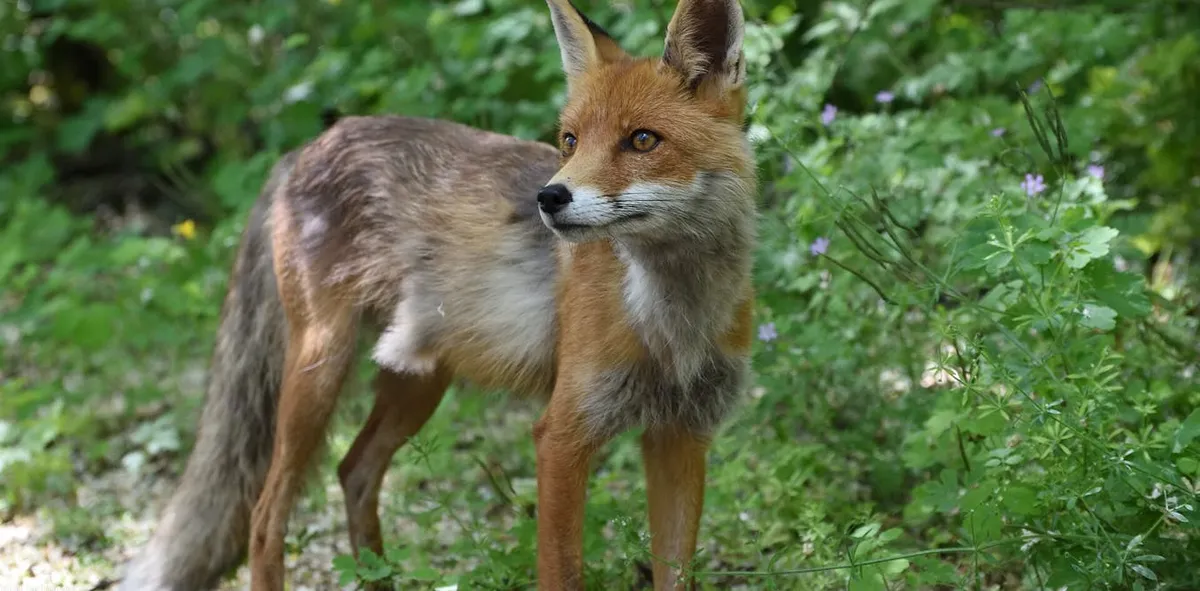
Wildlife populations have significantly increased since then. Species such as wolves, foxes, elk, and wild boar have thrived without human interference. Przewalski’s horses were reintroduced in 1998. Their population has grown to over 150.
As of midday today, researchers note that the absence of human activity has had a more positive impact on animal numbers than radiation has had a negative one. Studies indicate that wildlife is adapting well to the environment.
Some species have even adapted to the radioactive conditions. Tree frogs are changing color as a response to radiation exposure. Additionally, Cladosporium sphaerospermum—a melanin-rich fungus—grows faster in these environments.
Research indicates that radiation may help certain fungi grow faster instead of harming them. The main conclusion so far is not that the organism has solved radiation but rather that it can thrive under specific conditions.
Details remain unconfirmed about ongoing studies regarding radiation’s effects on wildlife reproduction rates and mutation rates. However, the overall trends show a remarkable recovery of ecosystems within the exclusion zone.
This sequence of events matters greatly for ecological research. It provides important insights into how ecosystems recover when undisturbed by human activity. The findings could influence conservation efforts worldwide.