England’s Defensive Concerns
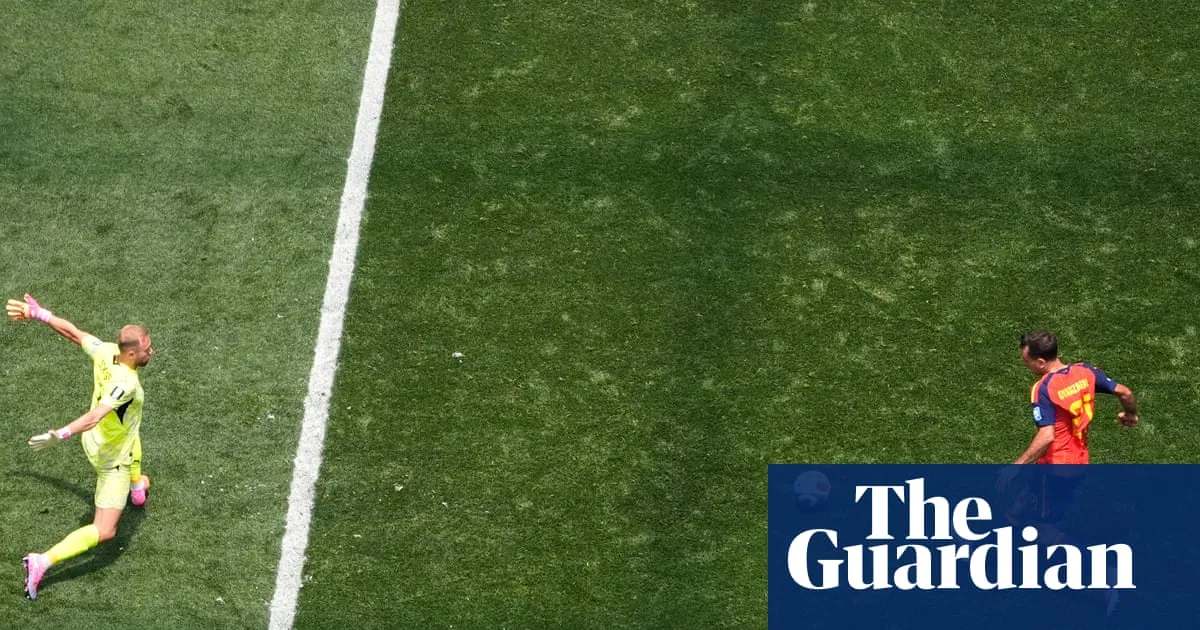
England secured a victory against Panama in Group L, but the performance highlighted ongoing defensive issues, particularly at right-back. The team’s struggles in this position have been described as a self-inflicted problem, stemming from specific selection decisions. During the match, Jarell Quansah left the pitch due to injury, also receiving a yellow card. This incident marked the third right-back injury in two weeks, following those of Tino Livramento and Reece James.
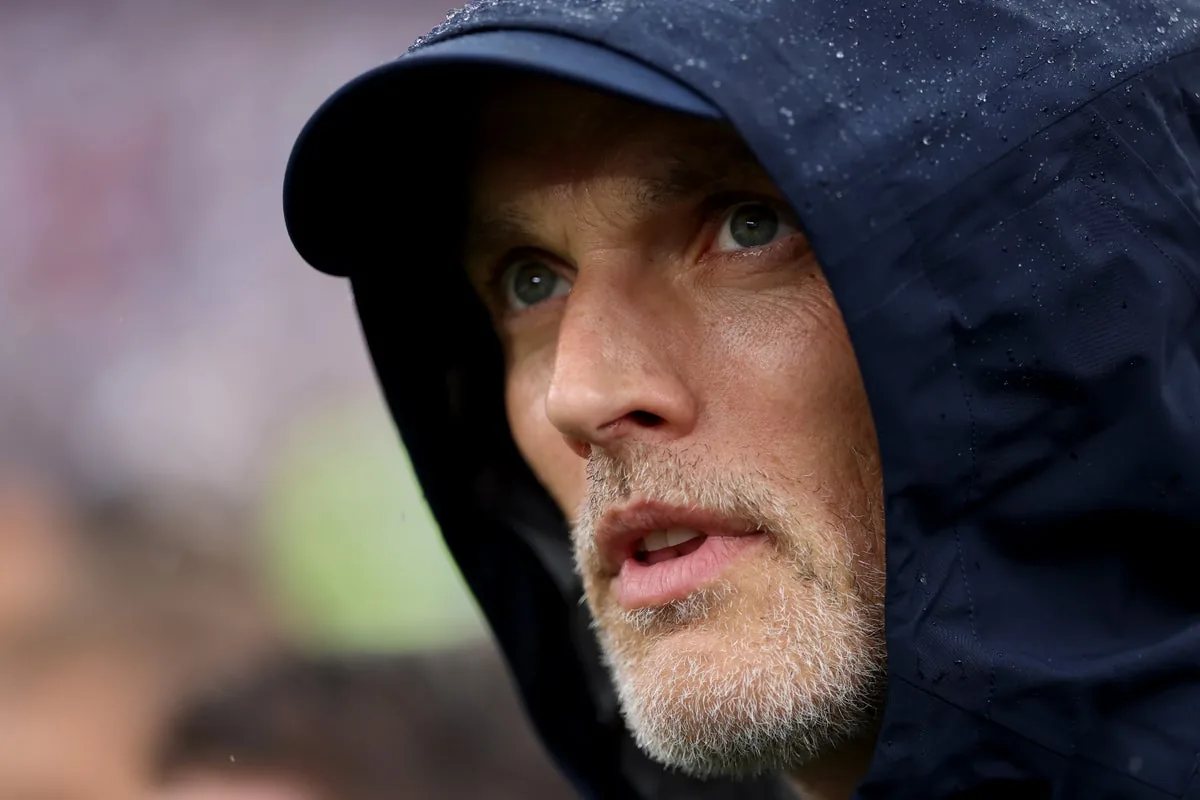
Quansah, who spent much of his time on the pitch as a third centre-back, is not primarily a right-back. His selection in this role is partly attributed to his position on the right of a back three for Bayer Leverkusen. Despite the team’s consecutive clean sheets, there remains a sense of vulnerability, especially given Panama’s counterattacking threats. Thomas Tuchel‘s gameplan, which reportedly focused on crossing, did not feature Trent Alexander-Arnold, who was absent from the squad.
Concerns also surround other players, with John Stones not featuring since the match against Croatia. Stones, who was a key player in previous tournaments, has reportedly faced physical decline. The decision to replace Livramento with Trevoh Chalobah in the squad further indicates a shift in defensive strategy. Additionally, players like Jordan Henderson and Dan Burn are noted for their veteran presence around the camp rather than their on-field contributions.
Offensive Struggles and Squad Selection
Despite their win, England’s offensive play has also drawn criticism. The team has not scored in a significant period of play following their opening victory against Croatia. During the match against Panama, England reportedly endured a second successive 0-0 draw at half-time. Pundits have noted the team’s difficulty in breaking down defensively organised opponents, with a low average of 0.06xG per shot in recent minutes of play.
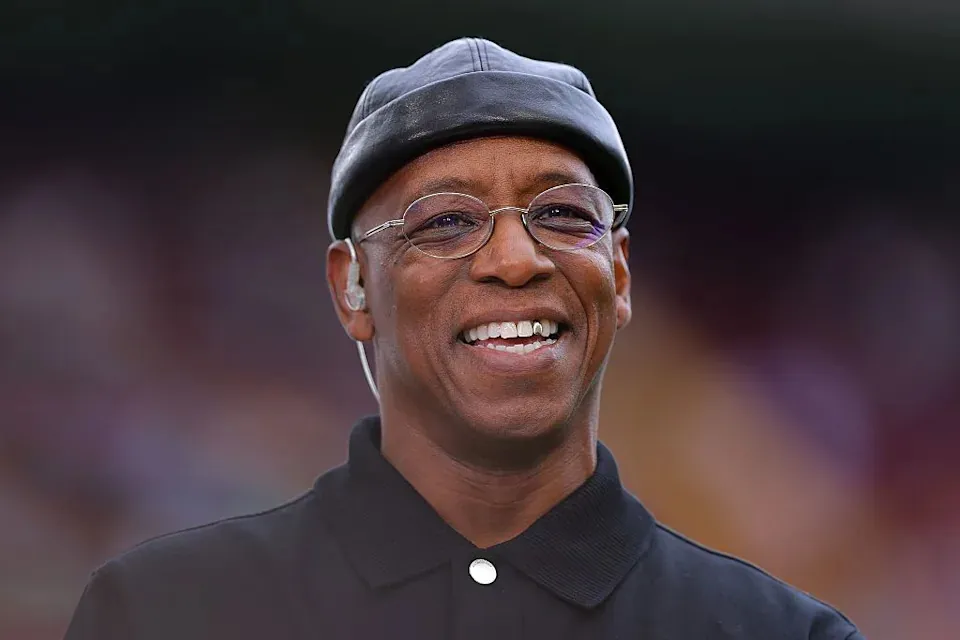
Ian Wright suggested that a player like Ivan Toney could help the team hold the ball up more effectively. Gary Neville echoed this sentiment, acknowledging that England appears structured to face stronger teams rather than those that defend deeply and rely on counterattacks. Neville also suggested that Tuchel might consider playing with two strikers, such as Toney and Harry Kane, to improve offensive output.
The squad selection has also been a point of contention. Tuchel reportedly finalised much of his squad and base camp location well in advance of the fixture list, which may have limited flexibility. The decision to omit creative players such as Alexander-Arnold, Adam Wharton, Cole Palmer, Phil Foden, and Morgan Gibbs-White has been questioned, with the team appearing one-dimensional and uninspired. England’s performances have been inconsistent, with only a brief period of strong play observed in the tournament so far.
Logistical Challenges
The team’s logistical arrangements have also been highlighted. The base camp is located in the heart of the United States, leading to regular 2,000-mile round trips to Kansas City. If England were to remain in the tournament for its duration, they would play multiple games in eastern cities like New York, Boston, Atlanta, or Miami, but none in the western part of the country. This positioning, halfway between major cities on opposite coasts, seems to underscore a strategy that was perhaps finalised too early, without full consideration of the fixture schedule.
The issues with right-backs and the overall squad balance suggest that a rethink may be necessary for Tuchel. The team’s performances against Panama and Ghana have raised questions about their ability to progress deep into the tournament. Jordan Henderson became the first England footballer to play at seven major tournaments.
Read Also
Source: independent.co.uk