Clarke’s Departure Confirmed
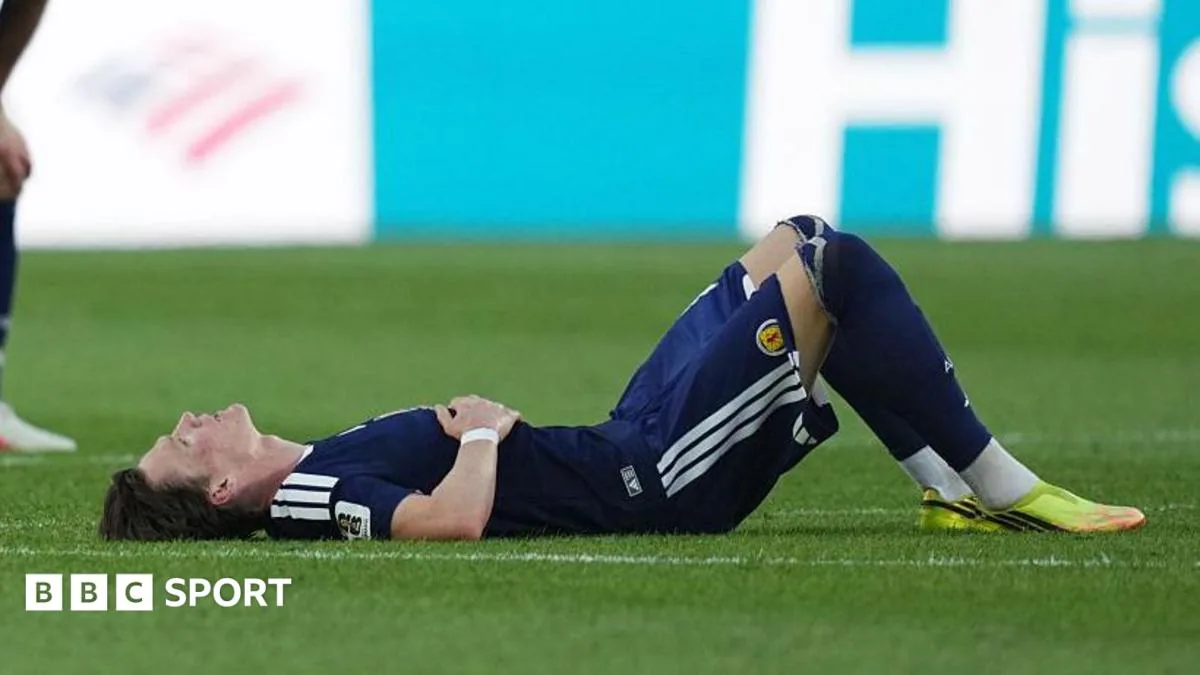
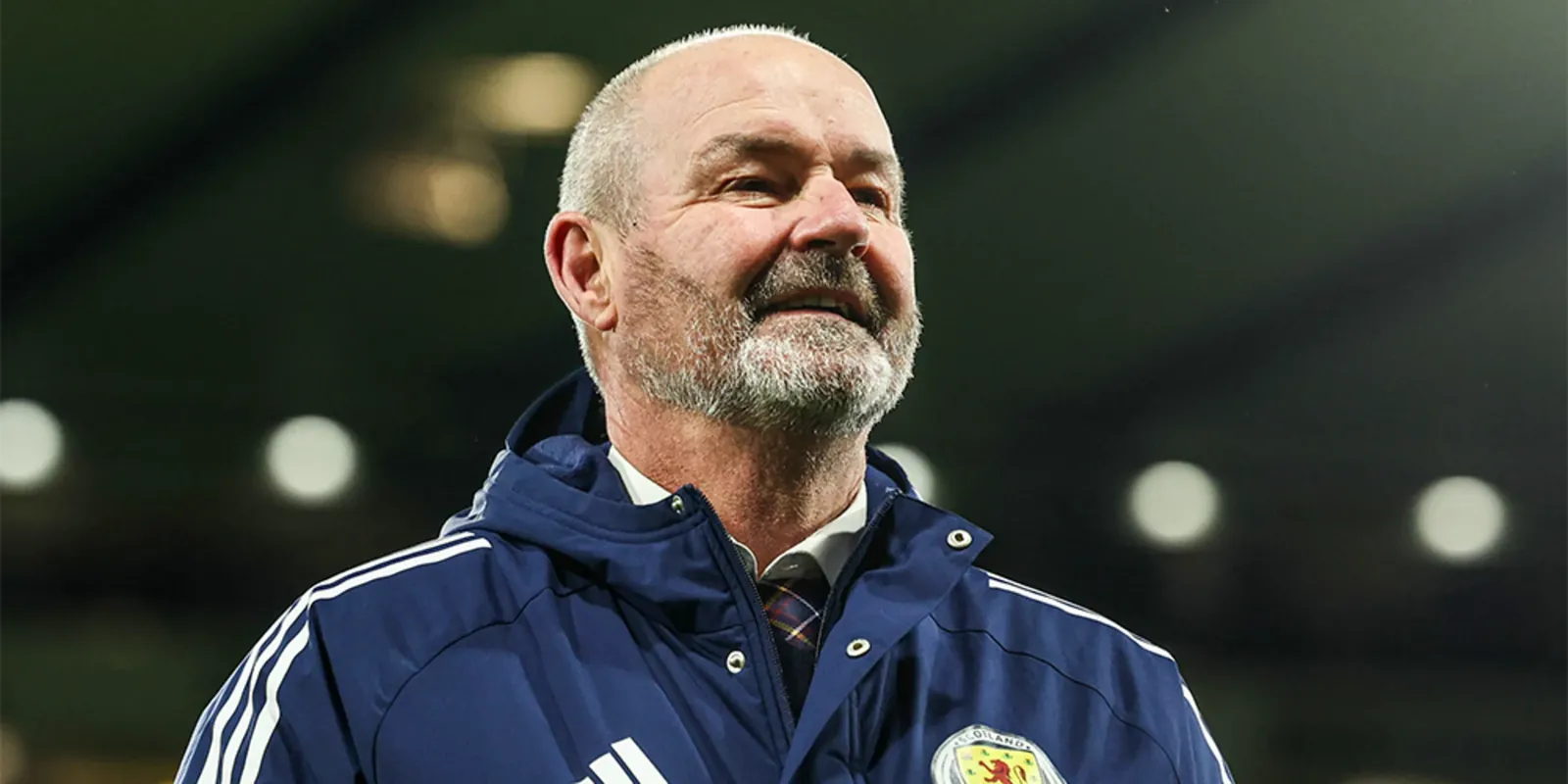
Steve Clarke has resigned from his position as head coach of Scotland following the team’s elimination from the World Cup. The announcement from the Scottish FA came shortly after Croatia’s victory over Ghana on Saturday, which confirmed Scotland’s exit from the tournament. Players were informed of Clarke’s departure while still at their base in Charlotte.
This decision comes despite Clarke having signed a new four-year contract just a month prior. His tenure, which began seven years ago, saw Scotland qualify for a World Cup for the first time in 28 years, in addition to two European Championships.
In an open letter to supporters, Clarke expressed his gratitude to the players. He stated that the most emotional aspect of his goodbye was for his players, acknowledging that without them, the memories accumulated from 2019 onwards would not have been possible. He added that it was an honour to be their gaffer and wished his successor good luck.
Tournament Performance and Reaction
Scotland’s World Cup campaign in the United States began with a 1-0 win against Haiti in Boston. However, subsequent matches resulted in a 1-0 loss to Morocco in the same city, followed by a 3-0 defeat against Brazil in Miami. These results left Scotland with a slim chance of progressing to the last 32 as one of the best third-placed teams, but this hope was extinguished on Saturday, three days after the loss to Brazil.
Scottish FA chief executive Ian Maxwell acknowledged the disappointment of the group stage exit but highlighted the progress made under Clarke’s leadership. Maxwell noted that Scotland, which was a pot four team in 2019, went on to top their World Cup qualifying group, fulfilling the remit to return to major tournaments.
Maxwell also extended his thanks to Clarke for his contributions, stating that supporters would eventually appreciate the memories of seeing Scotland march with pride at major tournaments once again. He also commended the thousands of supporters who travelled to the United States, making a significant financial commitment to back the team, and serving as exceptional ambassadors for the country and its national game.
Despite the qualification successes, Scotland’s performances in all three major tournaments under Clarke were described as underwhelming, with the win against Haiti being the only victory in the finals. The team’s bid to advance in the World Cup was undermined by defensive errors, particularly in the match against Brazil.
Analysis of the Campaign and Future Outlook
The timing of Clarke’s resignation has caused some surprise, especially given his recent contract extension. It was widely believed that this World Cup would be his final tournament, a notion that seemed to change with the signing of the new long-term deal. Observers also noted a shift in Clarke’s public persona during the tournament, with his dry sense of humour emerging in press conferences, a contrast to his typically more serious demeanour.
The World Cup campaign concluded with Scotland scoring one goal. While some have pointed to the manager’s tactics, others suggest that the squad, despite its hard work, may be over-praised at this level. There are also discussions about the broader challenges within Scottish football regarding the development of young talent and opportunities for first-team football in top-flight clubs.
Scotland was drawn into a challenging group, facing teams ranked among the world’s best. A record of one win and two defeats was considered by some to be a realistic expectation, even if the victory was described as unimpressive. The performances against Morocco and Brazil were not seen as surprising, given the perceived strength of those opponents.
Clarke’s seven years in charge have established a significant legacy, taking Scotland to three major championships. However, the team’s collective performance in the World Cup was viewed as average at best. Key players like Angus Gunn, Aaron Hickey, Nathan Patterson, Jack Hendry, Grant Hanley, Scott McKenna, Kieran Tierney, Andy Robertson, Scott McTominay, John McGinn, Ben Gannon-Doak, and Ryan Christie faced various challenges, including injuries, limited club game time, or being played out of their preferred positions.
The future of Scottish football now faces questions regarding the development of more athletic and dynamic players, especially given the reluctance of Scottish clubs to provide opportunities for young talent. The squad at the World Cup was noted as one of the oldest in the tournament, suggesting a potential player crisis down the line as some players may now retire. The search for Clarke’s successor is now underway.
Read Also
Source: bbc.co.uk