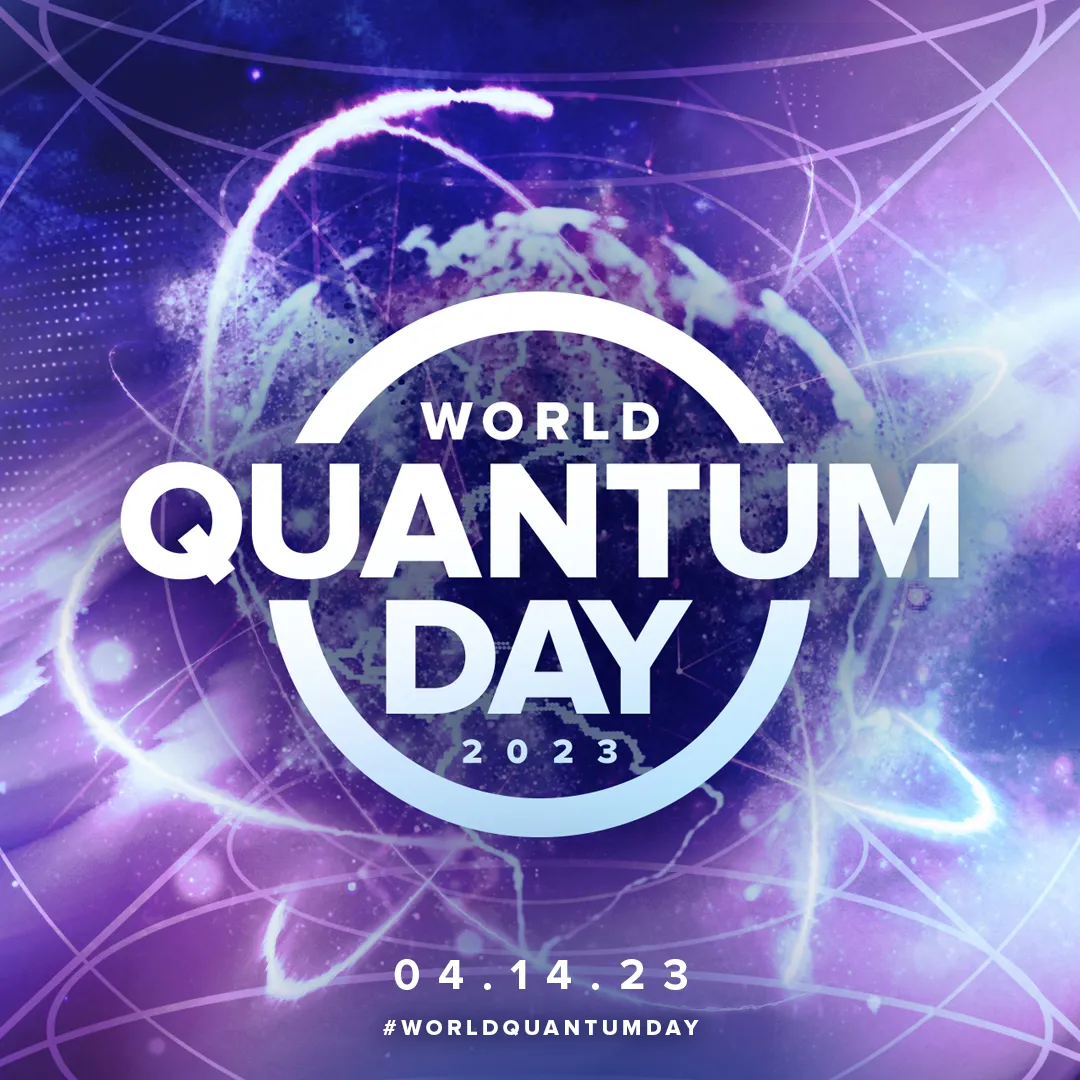
As the world gears up for the next World Quantum Day on April 14, 2026, anticipation builds around the event’s potential to elevate public understanding of quantum science and technology. Launched in 2021 by an international network of scientists, World Quantum Day is not merely a celebration; it is a call to action for greater awareness and education in this rapidly evolving field.
The significance of April 14 is rooted in the first three digits of the Planck constant, 4.14, which serves as a reminder of the foundational principles of quantum mechanics. The day is marked by a variety of activities, including lectures, lab tours, workshops, and online programming aimed at engaging the public and demystifying quantum concepts.
In recent years, quantum technology has made significant strides, with experts noting a 95% reduction in quantum workloads achieved in recent experiments. This progress underscores the urgency of bridging the gap between laboratory breakthroughs and real-world applications. As Aditya Singh aptly stated, “World Quantum Day is not a celebration of what quantum computing will be — it is a recognition of what it already is.”
However, challenges remain. Dan Holme emphasized the need for continued efforts to ensure that advancements in quantum technology translate into practical solutions. The integration of quantum and classical systems requires substantial development, with reports indicating that 150,000 lines of custom code are necessary for this connection. Yet, innovations like Qoro’s stack have reduced this to just 20 lines of integration code.
Looking ahead, the quantum landscape is expected to evolve rapidly. Google predicts the arrival of Q-Day by 2029, a milestone that could redefine the technological landscape. As Trevor Lanting noted, “The future won’t be defined by a single approach, but by multiple architectures working together.” This collaborative spirit is essential as the scientific community navigates the complexities of quantum technology.
World Quantum Day serves as a crucial platform for fostering dialogue and collaboration among researchers, educators, and the public. The event’s grassroots origins reflect a collective desire to make quantum science accessible and relevant to everyone. As Jan Goetz remarked, “The technology is real. The applications are real. The timeline to quantum advantage is compressing.”
As preparations for the upcoming World Quantum Day continue, the focus remains on enhancing public engagement and understanding of quantum science. With the event just around the corner, the global community is urged to participate and contribute to this vital conversation.